Blog, Destinations, Europe, Ireland
How Much Does a Trip to Ireland Cost? A Realistic Budget
Aug
Last updated on September 16th, 2026 at 09:47 am
I’ve been to Ireland 11 times and am currently planning my 12th trip there in a couple of months.
I’ve traveled to Ireland on both a backpacker budget and a mid-range budget, and every trip has looked completely different depending on who I was traveling with, where I was going, and how I wanted to spend my money.
My first two trips this year looked completely different.
In late April, my Mom traveled with me on a week-long highlights tour where we visited Dublin, Galway, and Doolin. Since I was with my Mom, we stayed in nicer hotels and B&Bs and took public transport between each destination.
I returned to Ireland at the end of May for a 13-day solo road trip, which required spending extra money on a rental car. I visited Wicklow, Connemara, and Achill Island. I stayed primarily in Airbnbs where I could cook myself at least one meal per day.
After so many trips to Ireland, I have a good idea of what to expect financially.
But I’ve never actually reviewed my bank statements to see what an Ireland trip really cost once I got home. I typically focus on sticking to a budget in the planning phase. Once I’m in Ireland, I don’t hold back on spending.
Since I’m currently planning my next trip to Ireland this year (a Ring of Kerry and Dingle road trip) I decided to review my bank statements from my previous two trips to determine how much a trip to Ireland actually costs.
Based on my spending, a week in Ireland with mid-range hotels, a rental car, meals, activities, and souvenirs costs about $2,700-$3,500, excluding airfare.
Whether you’re debating renting a car or using public transportation, staying in B&Bs or Airbnbs, this guide will give you realistic numbers you can use to build your own budget.
If that budget seems unreasonable, don’t worry, I’ll also share some ways to save money without feeling like you’re missing out on anything.
The majority of the numbers I share below are in US dollars because I took them directly from my bank statements, which handled the conversions.
If I’m sharing a number from general research, I’ll use euros or pounds.
This post contains affiliate links, which means that, at no additional cost to you, I will earn a tiny bit of income if you decide to make a purchase or booking. Please read my disclaimer for more information.
Realistic Budget for a One-Week Trip to Ireland
I’ve compiled numbers from my bank statement review, categorized every expense, calculated averages for meals and accommodations, totaled costs like transportation, car rentals, and souvenirs, and filled in a few gaps with current pricing research to come up with an estimated mid-range trip budget.
I took the average cost of each meal and mid-range accommodation per day. Then I added in the cost of public transportation for 3 round-trip journeys, airport transfer, and local transportation. Separately, I added in an estimated amount for activities and a generous amount to spend on souvenirs.
This estimated total DOES NOT include the cost of flights as those can vary drastically.
| Expense | Estimated Cost |
| Accommodation (7 nights) | $1,100 |
| Food & Drinks | $785 |
| Activities | $200 |
| Public Transportation | $150 |
| Rental Car (optional) | $750 |
| Souvenirs & Shopping | $450 |
| Total without rental car | $2,685 |
| Total with rental car | $3,435 |
For simplicity, I recommend budgeting around $2,700–$3,500 for a comfortable one-week trip to Ireland, excluding flights.
Please do your own research and run your own numbers! If you want a luxury trip or a more budget trip, adjust these numbers to fit your travel style.
Here’s what that could look like
- Budget traveler: $1,500-$2,000 (excluding flights)
- Mid-range traveler: $2,700-$3,500 (excluding flights)
- Luxury traveler: $5,000+
Also, double-check the exchange rate is so you have a good idea of what you’ll actually end up paying. You can use an app like XE Currency Exchange, or if you have an iPhone, the calculator now has a currency converter.

The Most Expensive Time to Visit Ireland
A major impact on your travel budget for Ireland will be the time of year you visit.
The summer months of June – August are the peak tourist season, which increases accommodation costs.
Also consider big festivals like St. Patrick’s Day in Dublin or Halloween in Galway. Trips during these times of year are quite fun, but they are also the most expensive.
Shoulder season for tourism is late May and September-October. Since peak tourist season is over, accommodation prices will be lower.
The end of September into October is my favorite time of the year to visit Ireland.
Winter in Ireland is the least expensive. December may be a bit pricey, especially around the holidays. But Dublin in December is a beautiful thing, as many pubs go all out with their Christmas decorations.
I’ve visited in January before and gotten great deals on accommodation, but not much was open, and it was very cold.
I know that many people have fixed vacation dates, so the summer may be the only time of the year that you can go. This is totally fine, just budget to spend more on accommodation and a rental car.
Don’t worry, I’ll share ways to save a little bit so that you can still enjoy your time without totally breaking the bank.

How Much Does a Flight to Ireland Cost?
I have to be totally honest with you. One of the reasons that I’m able to afford going to Ireland so much is that I work for an airline.
It’s been years since I’ve had to scour the internet for good flight prices.
This will be a huge part of your budget for Ireland. I do not include this in the overall one-week budget because the prices can vary drastically.
Your flight cost depends heavily on where you’re flying from, the time of year you visit, and how far in advance you book.
I recommend setting up a Google alert for flight prices from your home airport to Dublin and Shannon airports. Google will track prices and alert you when there is a cheap flight!
Flying to Ireland from the States
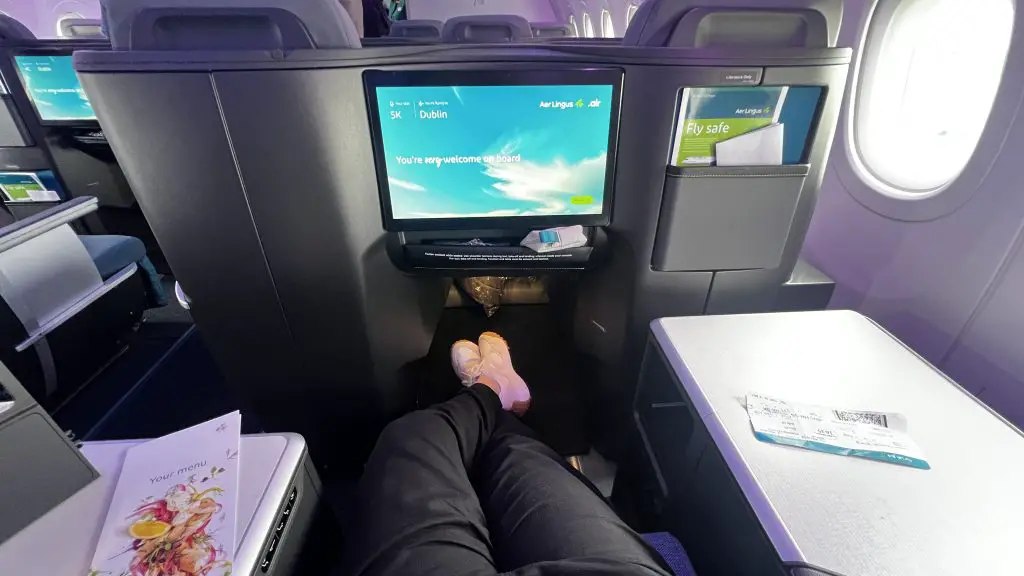
A realistic budget for a round-trip flight from the United States to Ireland is $500–$900 per person, with peak summer travel often costing more.
If you’re traveling from the East Coast of the US, Aer Lingus offers flights that land at Shannon Airport (SNN), which is a great option for a west coast Ireland road trip.
This is also the airport I’ll be flying into for my September Ring of Kerry road trip!
If Shannon flights are expensive, compare prices with Dublin Airport. Dublin usually has more flight options and can sometimes be cheaper, even after accounting for transportation to your first destination.
Flying from mainland Europe
If you’re traveling from mainland Europe, you have more affordable options for reaching Ireland. Low-cost airlines make it possible to find flights for much less than the cost of transatlantic travel.
Consider flying into:
- Cork Airport (ORK) for exploring County Cork, Kinsale, or starting a southwest Ireland road trip.
- Kerry Airport (KIR) for easy access to Killarney, the Ring of Kerry, and County Kerry.
- Donegal Airport (CFN) for exploring Ireland’s rugged northwest.
How Much is Accommodation in Ireland?
After you book your flight, the next thing you’ll need to consider for your Ireland budget is the cost of accommodation.
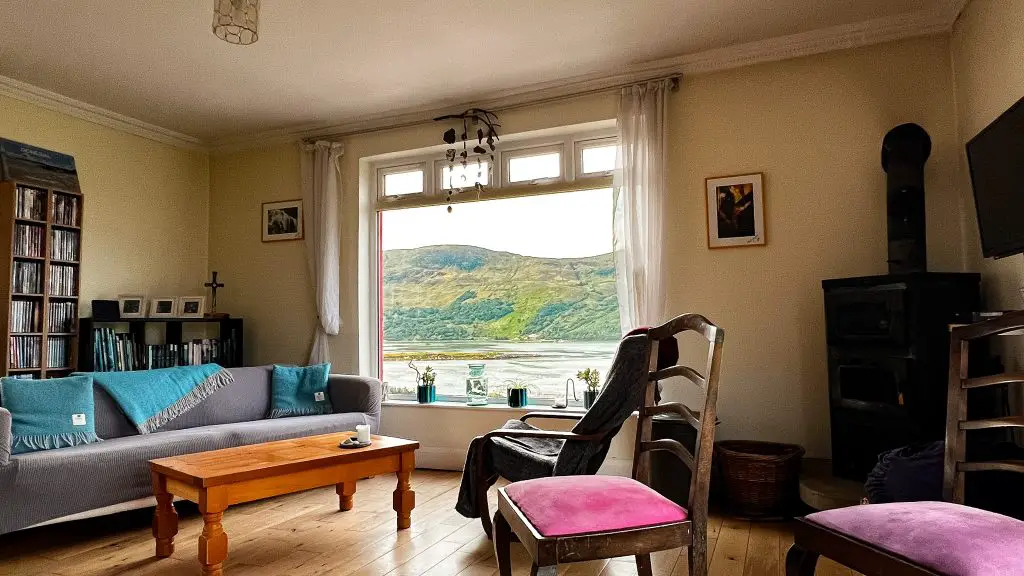
Ireland has every type of accommodation, from budget backpacker hostels to luxurious castles. Your itinerary may even include a combination of both. You could balance a more expensive castle stay with a few nights in a hostel bunk.
My recommendation is to decide on the amount that you’re comfortable spending per night and set your search criteria to that amount. This way you only see properties within your budget.
For my September trip, my goal was to spend $150 per night. I now have everything booked and my average came out to $153! Keep in mind, this is my personal comfort level. You may spend more or less depending on your travel style.
| Accommodation Type | Average Cost Per Night |
|---|---|
| Hostel dorm | $50–100 |
| Mid-range hotel | $120–200 |
| B&B | $120-150 |
| Airbnb | ~$156 |
| Castle hotel | $400–1,000+ |
Hostel Prices
My recent trips to Ireland today look very different than the ones I took 10 years ago. My early trips included staying in hostels, the cheaper the better. Hostels are especially cost-effective in Dublin.
Depending on the number of beds you’re comfortable with in a dorm room, a bed in a hostel will cost anywhere from $50-100. This, of course, can fluctuate depending on the time of year and availability.
A private room will be more expensive. I’ve seen some private rooms that cost as much as a hotel room.
Besides being budget-friendly, hostels are typically centrally located, include a free breakfast, and have fun events to meet new people!
I use Hostelworld to search for and book my hostels!
A few of my favorite hostels throughout Ireland are:
- The Nest Hostel in Galway: I love this hostel because it has a boutique vibe and the staff is super friendly. Check rates and availability here.
- Jacobs Inn in Dublin: The pod-style beds are super sturdy; you don’t feel anyone moving. It’s the best I’ve ever slept in a hostel. Check rates and availability here.
- Black Sheep Hostel in Killarney: This hostel is cozy and just steps from Killarney National Park. Check rates and availability here.

Hotel Prices
If you’re not comfortable with a hostel, no worries. Hotels are plentiful in Ireland. I recommend looking for ones that include breakfast to help save some money!
A few things that will increase the cost of a hotel room are the number of beds needed, its location, and when you book it!
My mom and I stayed in a very nice hotel in Dublin called the Chancery. We booked it last minute and needed twin beds. It was $400/night, not including breakfast. While the hotel was beautiful, I know there are just as nice and cheaper places to stay in Dublin. That one was a bit of a shocker for me and the most I’ve ever spent on accommodation in Ireland.
If you book with enough notice (not the day before), a nice hotel in Dublin city center will range from $250-$400.
A mid-range hotel throughout the country will range from $120-$200.
A few of my favorite hotels throughout Ireland are:
- The Snug Townhouse in Galway: Tiny rooms, but right on the main street in Galway. Check rates and availability here.
- The Wren Hotel in Dublin: I haven’t stayed there personally, but two of my coworkers have, and they love it. The rooms are small, but it’s super central. Check rates and availability here.
- The Central House Clifden: Right in the heart of Clifden. It’s self-service check-in, and the price can’t be beat! Check rates and availability here.
I use booking.com to search for hotels and compare prices.
Double-check the hotel’s website to see if there is a discount for booking directly. Otherwise, I’ve had no issue booking through booking.com.
B&B Prices
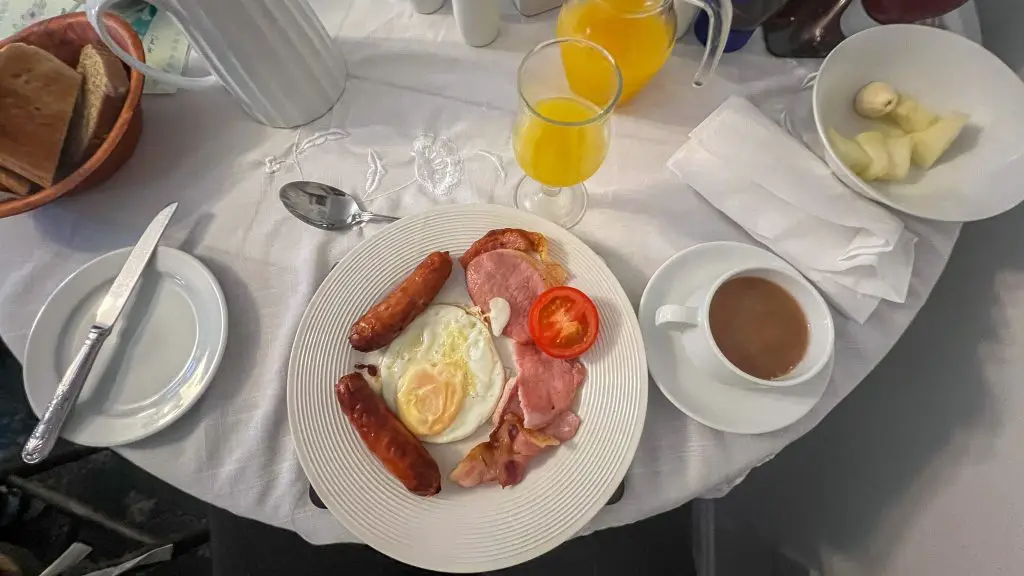
Ireland is well known for its B&B culture. I’ve stayed in some stunning B&Bs throughout the country, and they typically come with a full Irish breakfast to get your day started right…and keep you full for hours!
The average price of a B&B throughout Ireland is $120-$150.
A few of my favorite B&Bs throughout Ireland are:
- The Lookout Budget Accommodation: Located in Ardara in County Donegal, this spot has spectacular views, really comfortable beds, and a nice breakfast spread. You do share a bathroom, but it’s worth it! Check rates and availability here.
- The Lodge Doolin: A great spot in Doolin with gorgeous views, super friendly owners, and it’s just a short walk to the pubs and Cliffs of Moher walk. Check rates and availability here.
- Madra Rua Organic Accommodation: In County Donegal with super friendly owners, a variety of freshly cooked breakfast options, and cozy beds. Check rates and availability here.
I typically find and book B&Bs on booking.com. I’ve noticed many B&Bs don’t have their own booking site and use booking.com instead.
Airbnb Prices
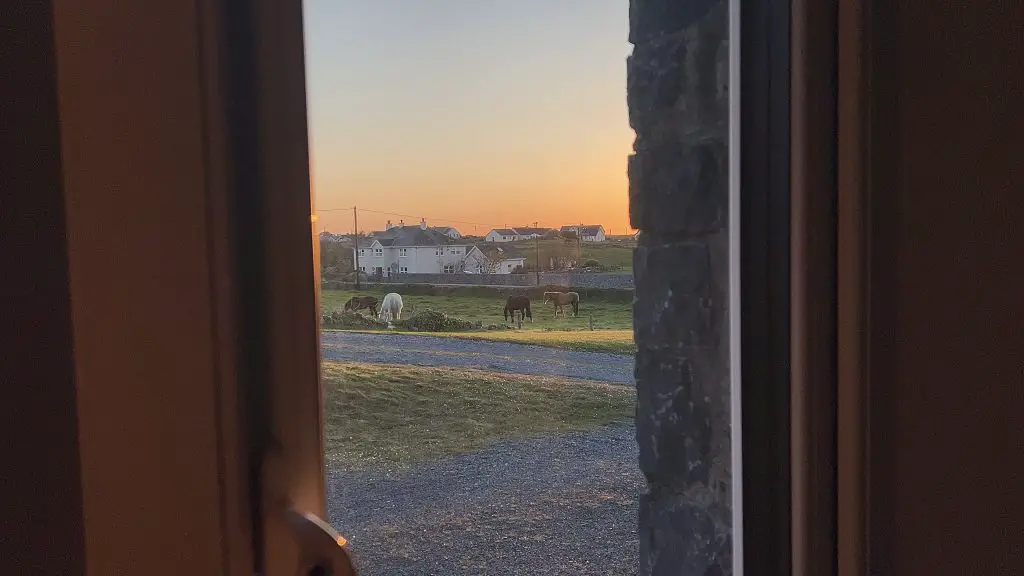
I know that Airbnbs are worsening the housing crisis in Ireland, and beyond. However, I love staying at an Airbnb that’s attached to or on the same property as the homeowner.
It’s kind of the best of both worlds. You get a B&B experience if the owners are cool, and you get the privacy. I also like booking Airbnbs with full kitchens and laundry so I can cook myself a meal and clean my clothes. It helps me save money and pack lighter!
Airbnb offers some really cool places to stay throughout Ireland. I found these awesome glamping pods on Achill Island and the owners were fabulous.
On average, a night at an Airbnb will cost about $156.
Castle Prices
If you are celebrating a birthday, anniversary, or you simply want to treat yourself, stay in a luxurious castle hotel. These will be at the very high end of the budget.
A castle stay will be anywhere from $400-1,000 per night, depending on the castle and time of year.
How Much Does Transportation Cost in Ireland?
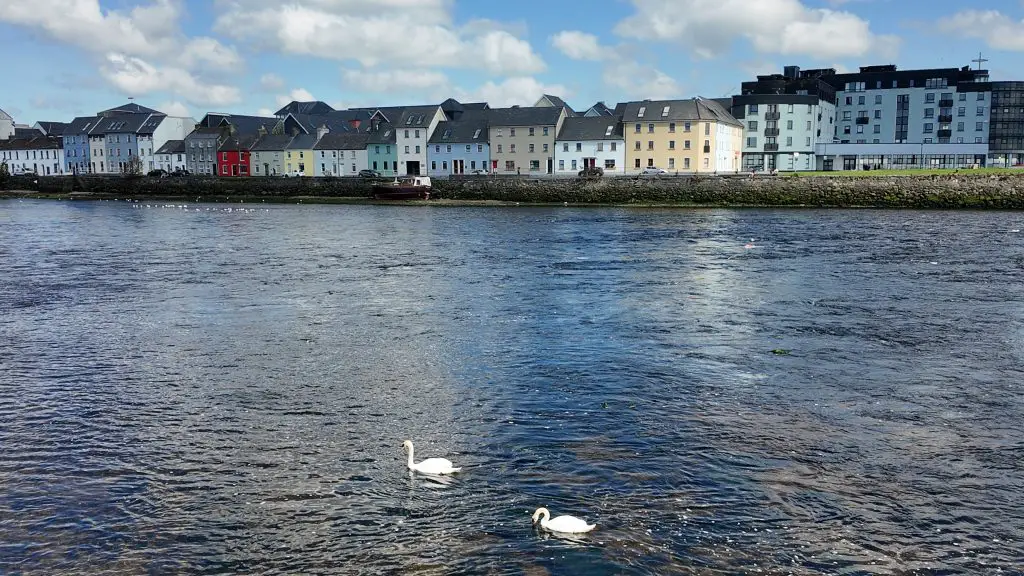
The next thing to consider as you determine your Ireland travel budget is the cost of transportation. This depends heavily on how you plan your itinerary.
Will you need to rent a car? Will you use buses and trains? Will you do guided tours to check off your bucket list?
There is no right or wrong answer. And you can combine all of these to stay within a comfortable budget.
But do decide how you’ll get around Ireland early in your planning process.
Rental Car Cost
A rental car is the most expensive option, but it offers the most flexibility in your itinerary.
I traveled extensively in Ireland before I finally rented a car, and I was able to see everything with a little creativity and patience.
It took me years to finally rent a car in Ireland because I was nervous about driving on the opposite side of the road and driving solo. I was also scared away by the stories I read online about people being “scammed” by rental car companies.
That being said, ever since I took my first Irish road trip, I’ve been hooked. My second road trip confirmed its value and I’m currently planning my third for September.
Plus, I’ve found a company that I love and keep re-booking with: NewWay. I can’t recommend them enough.
Should you rent a car?
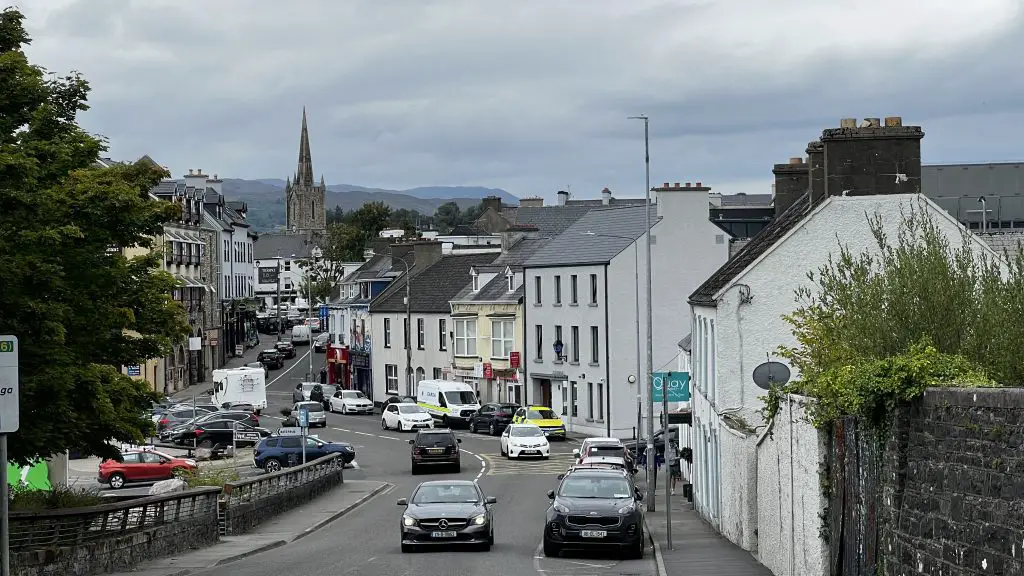
If you’re planning to use major cities like Dublin, Galway, and Cork as a base and take day trips from there, do not rent a car. Use intercity buses or trains for travel between cities. Then use local public transportation to get around that city.
Supplement with guided day tours.
My best friend is planning her first trip to Ireland. She asked me if she should rent a car to get from Dublin to Galway. I told her absolutely not! Just take the bus! It’s cheaper, less stressful, and you can nap on the bus! Or read or go through photos.
You should rent a car if you want to stay in smaller towns and have the freedom to stop wherever you want. And if you have the budget for it.
If you’re visiting Dublin first, then use the Dublin transportation options above. After your time in Dublin, return to the airport to rent your car and head out on your road trip. There is NO NEED to have a rental car in Dublin city.
If you want all of the details on how to rent a car in Ireland, I’ve got a full post on it. Make sure to check it out.
But here are a few things that impact the cost of a rental car:
- Automatic transmission vs manual transmission: Automatic will be more expensive as it’s not as common in Ireland
- Small car vs big car: A small car is the best for navigating the narrow roads, and it’s cheaper!
- Time of the year: Cars may be more expensive during peak travel season
| Rental Car Expense | Estimated Cost |
|---|---|
| Rental car + insurance | ~$85/day |
| Gas | ~$120/week |
| Tolls | ~$21/week |
| Estimated 1-week total | ~$750 |
Airport Transfer Cost
Upon arrival at Dublin Airport, you’ll need to decide how you’ll get from the airport to the city center.
Bus to Dublin City Center: The cheapest, and my preferred method, is to take the Dublin Express bus to the city center. It’s fast and makes multiple stops throughout the city, so there’s bound to be one near your accommodation.
You can purchase your ticket upon arrival at Dublin Airport or in advance online.
A one-way ticket is €10.00.
Uber/Taxi to Dublin City Center: I’ve taken a taxi to Dublin city center one time, and I doubt I ever will again (unless I have a lot of luggage). It actually took longer than the bus as we had to deal with traffic. And all of the stop-and-go made me super nauseous.
The one-way journey cost around €50.
You can use Uber, but it will send a licensed taxi driver, so might as well just go to the taxi stand.
Dublin Transportation Costs
Ireland’s capital city is super walkable. But if your feet are tired, there are multiple public transport options in Dublin.
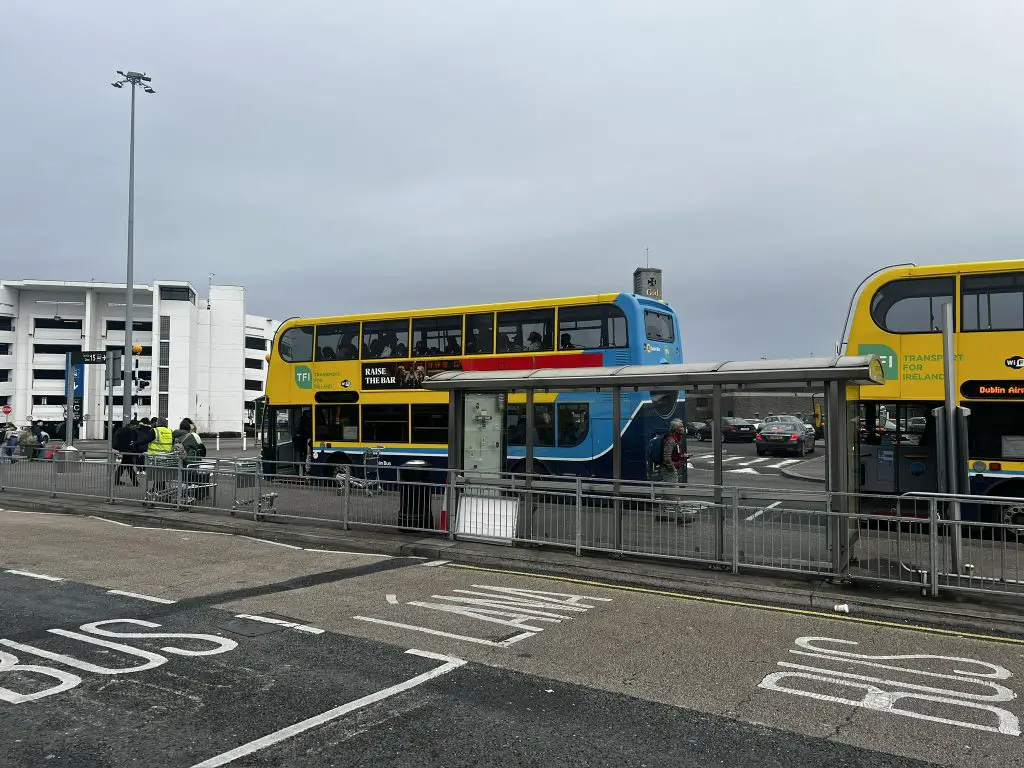
The LUAS is Dublin’s modern tram system and Dublin’s iconic yellow and blue double-decker buses serve just about every corner of Dublin.
Tickets for these range between €2.60 and €3.00 per ride. You will need close to the exact amount in cash for the bus. For the LUAS you can buy a ticket at a machine at the station.
Don’t forget to say thank you to the bus driver.
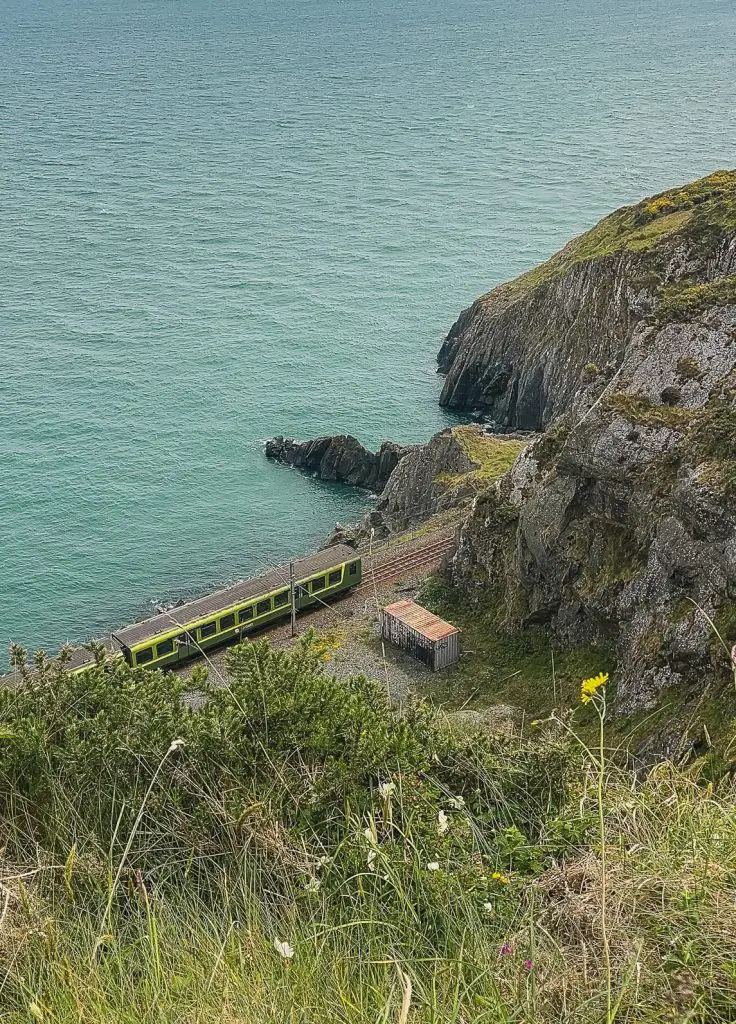
DART is Dublin’s rapid transit and is great for taking day trips out of the city to Howth or Bray for an iconic cliff walk. The ride itself is worth the cost of the ticket – which is about €8 one way.
Is the Dublin Leap Visitor Card worth it?
No. I’ve never gotten the Dublin Leap Visitor Card. I just pay as I go. If you’re only in Dublin for a day or two and are happy walking around, a couple of LUAS rides, and a day trip on DART, you’ll probably spend about €20.
If you’ll be in the city for 3 or more days and plan to use public transport often, it might be beneficial. Using a Leap Card saves a few euros on bus, LUAS, and DART fares.
Uber/Lyft Costs
Uber is available in Dublin and Galway, but it’s not available throughout Ireland. It’s the most expensive way to get around a city, but it’s a smart option for late at night.
I recommend downloading the FreeNow app. That’s the best app for requesting a ride.
Intercity Buses Costs
Beyond Dublin, multiple buses serve Cork, Galway, Doolin, Belfast, and more. Many of the buses also depart from Dublin Airport, so you don’t even have to go into the city if it’s not on your itinerary.
Check the routes and rates of the following companies online: CityLink, Expressway, Aircoach.
I recommend booking online to save a few euros. Certain times of day are more expensive than others.
Here are a few popular routes and their cost for a one-way ticket
- Dublin to Galway: €13 – €25
- Dublin to Cork: €16 – €26
- Dublin to Belfast: €12 – €16
- Galway to Doolin: €13.50
Train Travel Costs
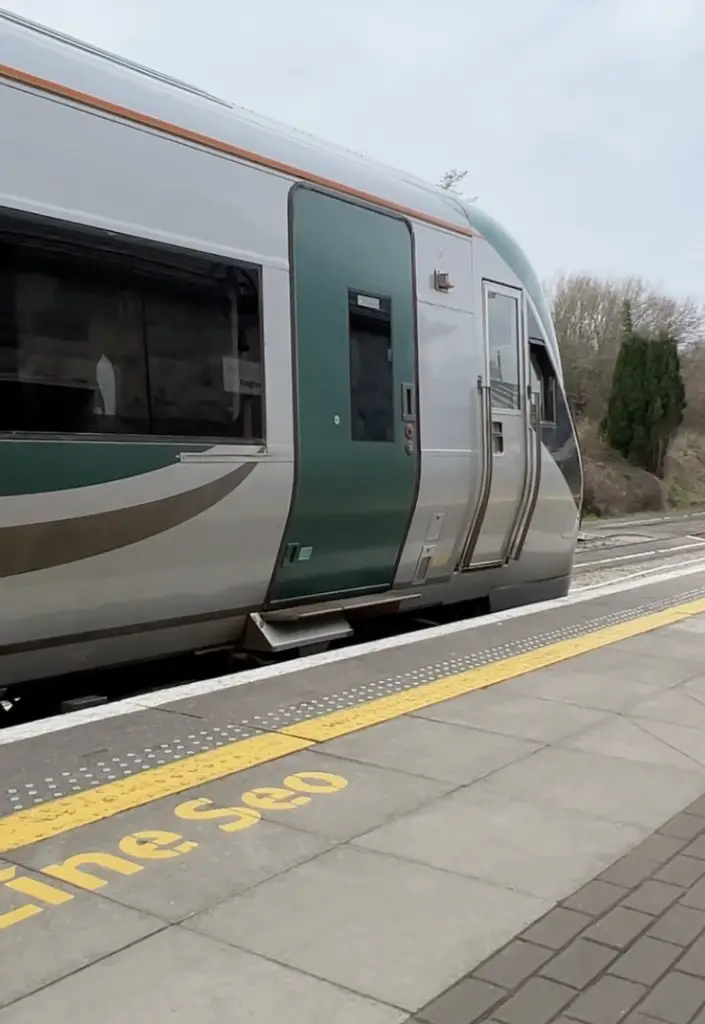
Train travel is only slightly more expensive than buses, but it is more comfortable. During peak travel season, you need to buy a ticket online in advance.
Here are popular routes and average ticket prices. Book directly with Irish Rail.
- Dublin to Cork: €25 – €60
- Dublin to Galway: €15- €20
- Dublin to Belfast: €15 – 35
- Dublin to Killarney: €25 – €60
I recommend setting aside $100-$150 for public transportation. The less moving you do between cities, the lower this number can be.
How Much Does Food Cost in Ireland?
Since I spend the bulk of my time planning my budget around hotels and transportation, I pay very little attention to what I spend on food when I travel.
I do not hold back when it comes to eating. I am a hungry person who experiences hanger, so I make sure to eat often and eat well.
It was interesting to review my bank statements and see what meals cost in Ireland.
| Food Expense | Average Cost |
|---|---|
| Breakfast / Cafe | ~$13 |
| Lunch | ~$17 |
| Dinner | ~$50 |
| Pint of Guinness | ~$10 |
| Groceries (example from my trip, includes gifts) | ~$175 over 12 days |
The Cost of a Pint of Guinness
This one surprised me when I looked at my pub charges. In pubs, I just tap my credit card and enjoy my drink.
I always figured a pint was around $5-$7, but with the conversion, it averages out to $10!
If you’re in a tourist-trap pub like Temple Bar, it will cost even more than that!
Mixed drinks are slightly more expensive and presented differently than in the States. In the US, if you order a Jameson and Ginger Ale, it comes all mixed, and it’s one price.
However, in Ireland, you pay for the Ginger Ale separately because you get a small bottle to add to your Jameson.
To be a little bit frugal here, I use half the bottle for one drink, so I only have to pay for it once if I’m getting two.

Breakfast/Cafes Prices
I was surprised to see that I didn’t have many breakfast charges on my last two trips. I’m a three squares-a-day-plus-snacks kind of girl!
Then I realized I stayed at B&Bs or hotels where breakfast was included or at Airbnbs where I made my own.
I decided to combine my breakfast and cafe charges because I usually stop at a cafe for a mid-morning treat and tea.
This averaged out to $13 for breakfast.
If you’re eating breakfast out, a full Irish typically runs from €15-€20.
Lunch Prices
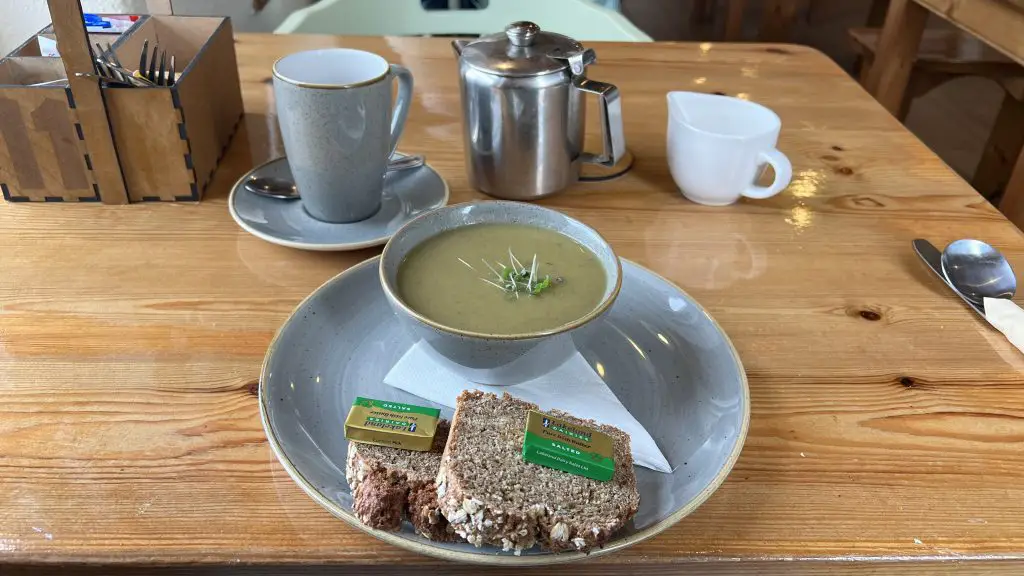
I love lunches in Ireland because I usually get soup or a toastie and they’re just so good.
I also love getting a slice of pizza from Dough Bros in Galway or Bambino’s in Dublin for about $7. It’s just enough to keep me happy until dinner.
One lunch I will splurge on, however, is a Sunday roast. This will be about €30-€40, but I basically treat it like dinner.
Also, if you’re on a guided tour, check whether lunch is included. Oftentimes it’s not, and you eat at the cafe on site or a pub along the way. The cafes at tourist sites, like Kylemore Abbey, will be more expensive than cafes or pubs in town. That being said, the convenience of it when you’re hungry is well worth it.
On average, a lunch in Ireland is $17.
Dinner Prices
Dinner is where you’ll spend most of your food budget, and it’s somewhere that I don’t hold back. I’ll order appetizers, a main, and dessert along with a drink or two. Yes, even when it’s just me!
The average cost of a dinner is $50. You can absolutely spend less by ordering a main course and skipping alcohol.
I was surprised to see a dinner charge of $90! But then I recalled it was my last night in Ireland. I was staying in Clifden, and had just had the best day hiking Diamond Hill and swimming in the sea. I wanted to continue the good vibes at dinner.
I ordered oysters, a main course, dessert, and had two drinks. It was all delicious, so it was worth it, but yeah, that was a lot.



Groceries Prices
On my last trip, I spent $175 on groceries over 12 days, but that includes some souvenirs because my coworkers love the onion jam in Ireland.
Tipping in Ireland
If you’re visiting Ireland from the US, you may be happy to hear that tipping culture is quite different.
Typically, it’s only necessary at nice meals, and 10% is sufficient.
I rarely get asked for a tip when paying a restaurant bill.
If you want to leave a tip for quality service, you’ll need to ask the server to add it before tapping to pay.
How Much Do Activities in Ireland Cost?
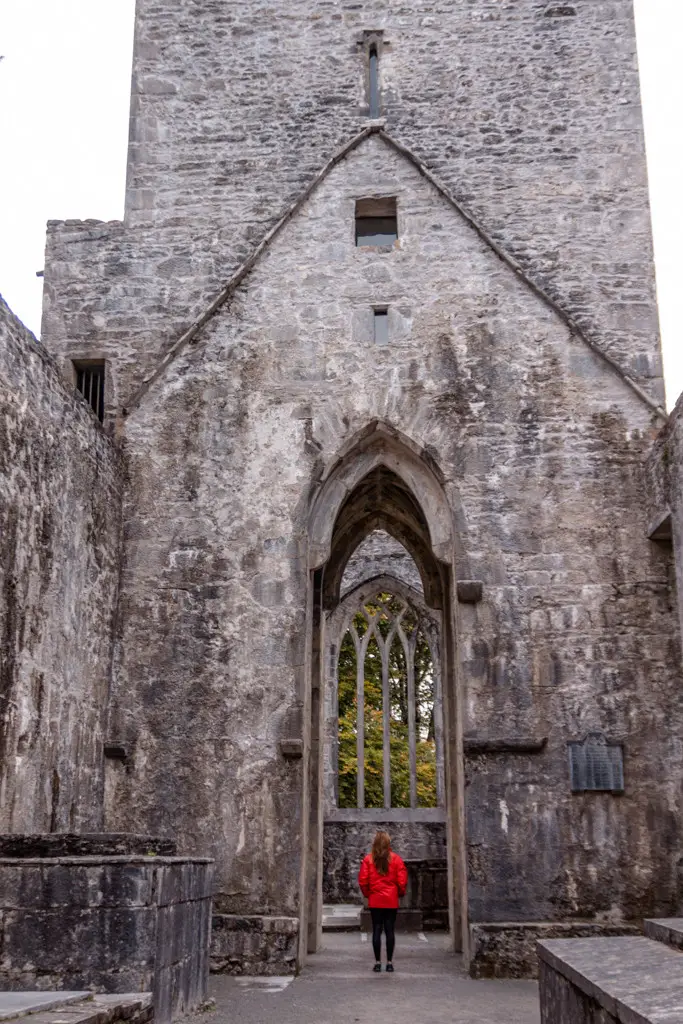
One of the best things about visiting Ireland is that you don’t have to spend a fortune on sightseeing. While there are plenty of paid attractions worth adding to your itinerary, the best part about Ireland is the dramatic landscapes, which are free!
I recommend setting aside $20–$50 per day for activities. Many of Ireland’s top attractions cost between $20 and $30, but you can easily mix in free experiences to keep your costs down.
If you’re planning to do guided tours to maximize your sightseeing on limited time, budget for $50-$100 per tour.
If you’re taking a guided tour, I do recommend tipping your tour guide about 10% as well.
Cost of Top Activities in Ireland
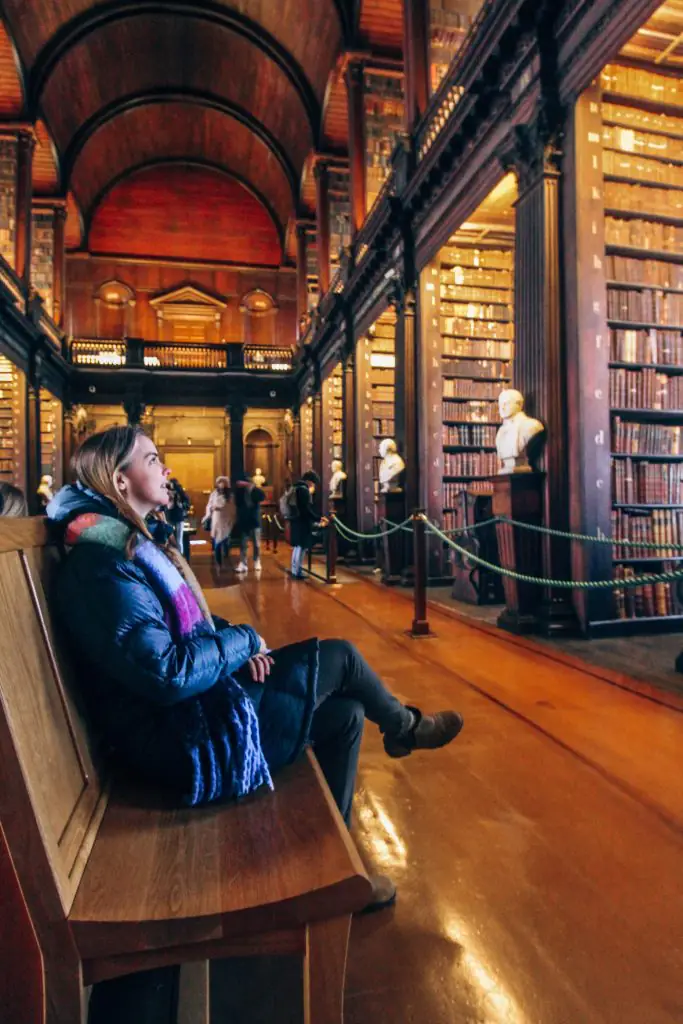
- Book of Kells Experience (includes the Long Room Library: €30
- Walk around Trinity College: Free
- Guinness Storehouse Tour: From €22
- Jameson Distillery Tour: From €26
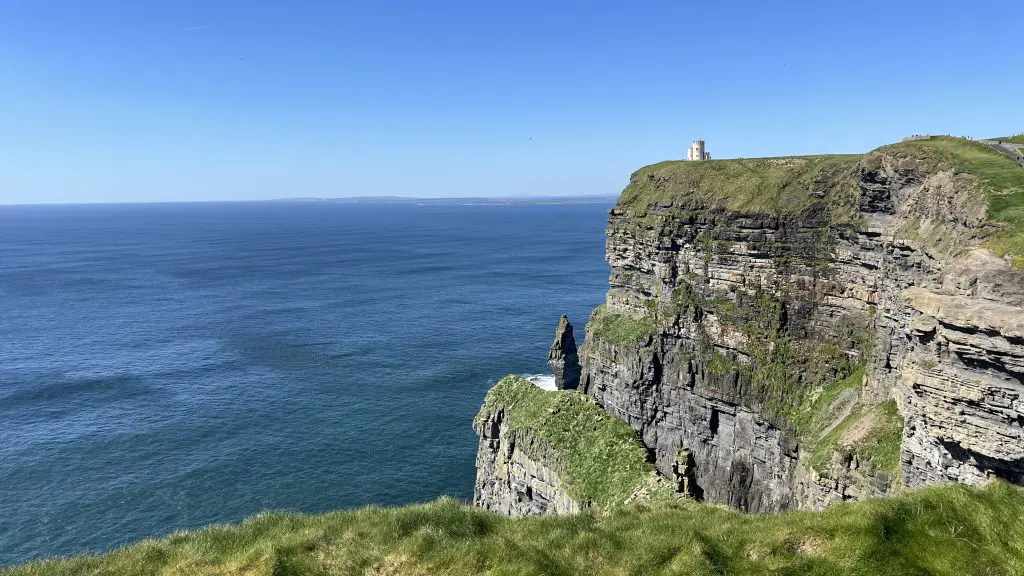
- Cliffs of Moher Visitor Experience: €8–€15
- Walk to the Cliffs of Moher from Doolin: Free
- Aran Islands Day Trip (Ferry + Bus + Bike Rental): From €64
- Kylemore Abbey: €27
- Blarney Castle & Gardens: €24
7 Ways to Save Money Traveling in Ireland
Ireland is an expensive country to travel in. But there are a few ways to save money; before we talk about them, I want to say prioritize spending money on what’s important to you. If a luxurious castle stay is your main bucket list item, then do that! And save money elsewhere.
- Stay in a cheaper room. Make sure to read reviews to ensure it’s safe and quiet so you can get some rest!
- Book accommodation with breakfast for one less daily expenditure.
- Get snacks from a grocery store to prevent hangry side effects.
- Travel outside of tourist season. The stunning scenery will still be there, but the cost of your hotel will be significantly cheaper!
- Skip the rental car, use public transport. This is the number one way to keep your budget in check. If you don’t need a rental car, do not get one.
- Choose free activities. Hikes and cliff walks are free, just require a little effort! And my favorite budget-friendly activity is enjoying a pint in a pub with live music.
- Book in advance online. Especially during peak travel season!
Do You Need Cash or a Credit Card?
Ireland is a very credit card friendly country. In most restaurants, pubs, and shops, you can use tap to pay. In fact, they seem to expect it.
Make sure your credit card does not charge foreign transaction fees to avoid spending your own money to use your money. Silly.
However, for some reason, credit card payments haven’t made it to buses yet. You need nearly exact change for buses. Bus drivers will give a small amount of change, but not much.
€50-€100 is a good amount of cash. Make sure it’s smaller bills and coins for the buses!
I usually take out some cash upon arrival at the airport and barely touch it. But it’s nice to have just in case.

Is Ireland Expensive to Visit?
Ireland is not the cheapest destination in Europe, but it is possible to travel here comfortably without spending luxury prices. By visiting during shoulder season, booking early, and mixing paid attractions with free outdoor experiences, you can experience the best of Ireland without an unlimited budget.
The biggest expenses are typically accommodation and transportation. If it’s your first time visiting Ireland, I actually recommend skipping the rental car altogether, especially if you’re going solo.
Base yourself in a few cities, use Ireland’s buses and trains to get around, and save the road trip for a future visit. It’s less stressful, considerably cheaper, and lets you focus on enjoying the country instead of navigating unfamiliar roads.
To help you put this budget into practice, I’ve created a 7-day Ireland itinerary without a car that shows exactly where to stay, how to get between destinations, and how to make the most of your week while sticking to a realistic budget.
Read More About Ireland Travel Planning
- How to Plan a Trip to Ireland: A Step-by-Step Guide
- Is Ireland Safe to Travel Alone as a Solo Female Traveler
- The Only Ireland Packing List You Need for Any Season
- What Not To Do In Ireland: Avoid These Tourists Mistakes in Ireland
- 20 of the Best Places to Visit in Ireland
- How to Spend 7 Days in Ireland without a Rental Car
- How to Spend Four Days in Ireland: The Ultimate Itinerary
- How to Get Around Ireland as a Solo Traveler