Solo Travel Guide to Tokyo, Japan: Fun Things to Do, Where to Eat & Stay
For years, people have been telling me to go to Tokyo, saying that it is super safe, clean, and really easy to solo travel. I’ve been putting off a trip because from the outside, Tokyo looks overwhelming. Photos showing big skyscrapers with flashing lights that put Times Square to shame and videos with white-gloved conductors pushing people into jam-packed train cars did add to this feeling. This year, however, I decided it was time to go see for myself what all of the hype was about and push myself out of my comfort zone.
By going to Japan, I’d also be making my very first trip to Asia!
I enlisted the help of my coworkers who have traveled to Tokyo more times than I’ve been to Ireland (and that’s a lot) and started creating my bucket list.
Beyond the Tokyo Bucket List
I have to warn you that my bucket list does not include some of the top attractions like Tokyo Disneyland, any of the TeamLabs museums, or going to the top of the observation deck of any of the skyscrapers for the views. While I thought I would do TeamLabs Borderless or go to the top of Shibuya Sky, when I was there, I just couldn’t be bothered. When I asked myself if I wanted to do those things, the answer was nope, and I tried to leave the FOMO of doing something just because it’s in the Top 10 things to do in Tokyo behind.
So I hope that you take what you like from what I share here about my first trip to Tokyo, make it your own, and try to find out about Tokyo beyond the Don Quijote hauls (although that was quite the “experience”).
Below, I’ll share my top 10 favorite things I did while in Tokyo and a sample 3-day itinerary for your first trip there! Of course, I’ll include my solo travel tips and other practical information, like how to get around and where to stay!
This post contains affiliate links, which means that, at no additional cost to you, I will earn a tiny bit of income if you decide to make a purchase or booking. For more, check out my disclosure.
Tokyo, Japan Travel Tips
Before we get to my favorite things to do in Tokyo, there are a few Tokyo travel tips that will ensure you have the best time in Tokyo!
- Add money to your Suica Card. The Suica Card is used to pay for most trains around Tokyo (not the Shinkansen), buses, and can also be used at 7-Eleven and other convenience stores. If you have an iPhone, go to your wallet, select the plus sign in the upper right corner, select Transit Card, scroll to Japan and add Suica. You can add a variety of yen amounts to it, I’d recommend starting with ¥2,000 and you can top up as the trip continues. If you have an Android, you’ll need to get a physical Suica Card on arrival in Tokyo.
- Fill out the customs form online. Go to Visit Japan Web to fill out your customs paperwork online. You’ll input all of your travel information, the same as you would on the paper forms, and then receive a QR code. Doing it this way makes the process much faster when you arrive in Tokyo. There is a separate line for those with a QR code and there are people directing you to the right place. It’s super simple!
- Download Google Maps Offline. While WiFi is available in many places in Tokyo, it’s helpful to have your Google Maps downloaded offline for those times when you don’t have a connection.
- Get cash on arrival. While the ability to pay with credit cards and ApplePay is more widespread, Japanese society still relies heavily on cash, especially at street food stalls. Upon arrival, get some cash from the ATM to have on hand just in case.
Why Travel Solo to Tokyo as a Woman
I used to recommend Ireland as the best place for solo female travelers, but now that I’ve been to Tokyo, it has beaten out Ireland! Tokyo has delicious food, is easy to get around, and the people are kind. I have never felt safer anywhere I’ve traveled, and I’ve been to 21 countries, solo. If you’re planning your first solo trip, Tokyo is the perfect place!
Low Crime Rates in Tokyo
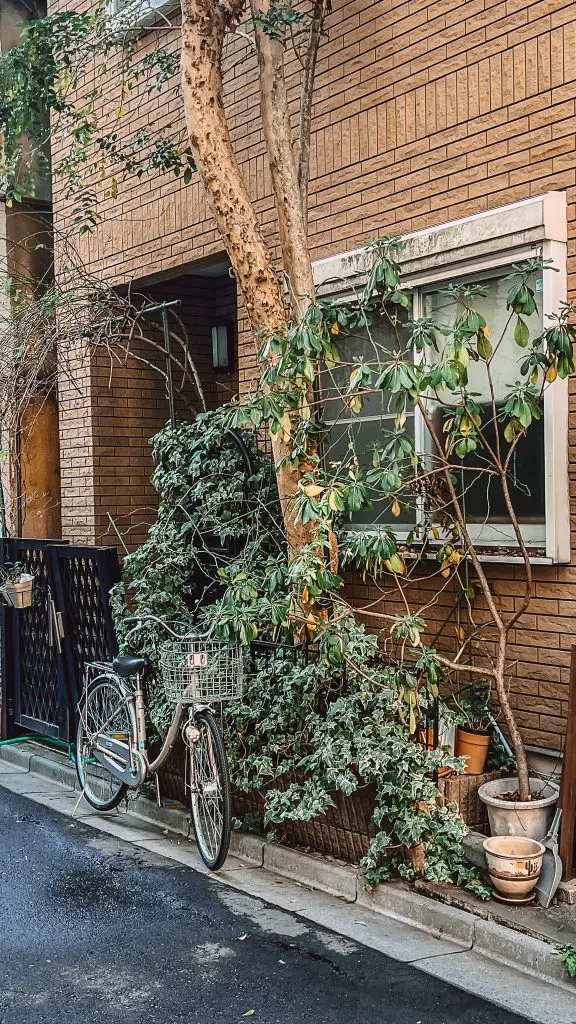
Tokyo has one of the lowest crime rates compared to other big cities around the world and I have never felt safer anywhere that I’ve traveled. I walked alone well past dark and never felt like I had to look over my shoulder or be hyper aware of my surroundings.
Tokyo is SO CLEAN
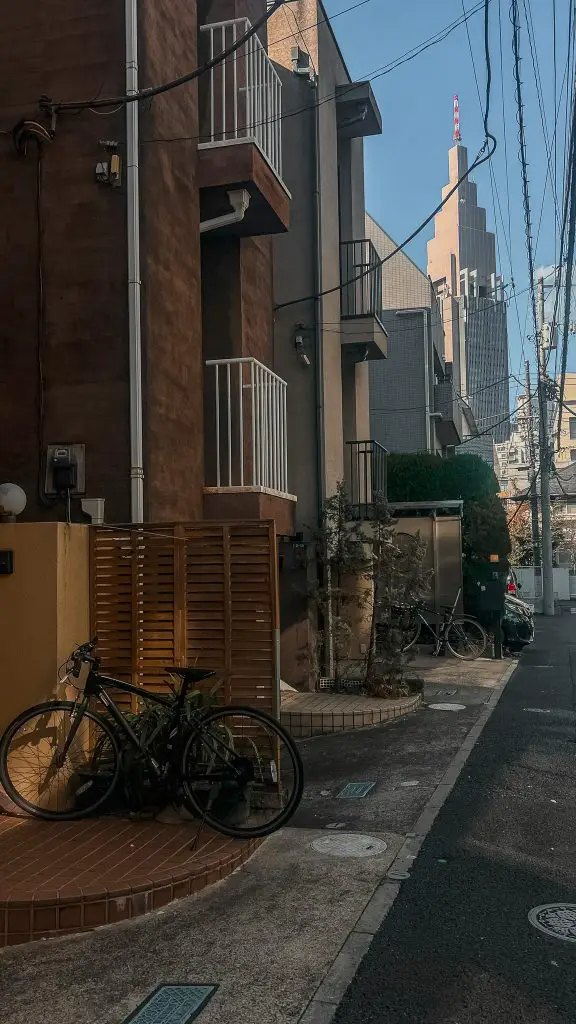
Tokyo is the cleanest city I’ve ever been to, and I never realized how dirty cities can make me feel a little wary until I didn’t have to see trash on the streets. It is also indicative of Japanese culture and how they take care of themselves, their surroundings, and each other, likely contributing to their low crime rate.
Tokyo Transport is the BEST
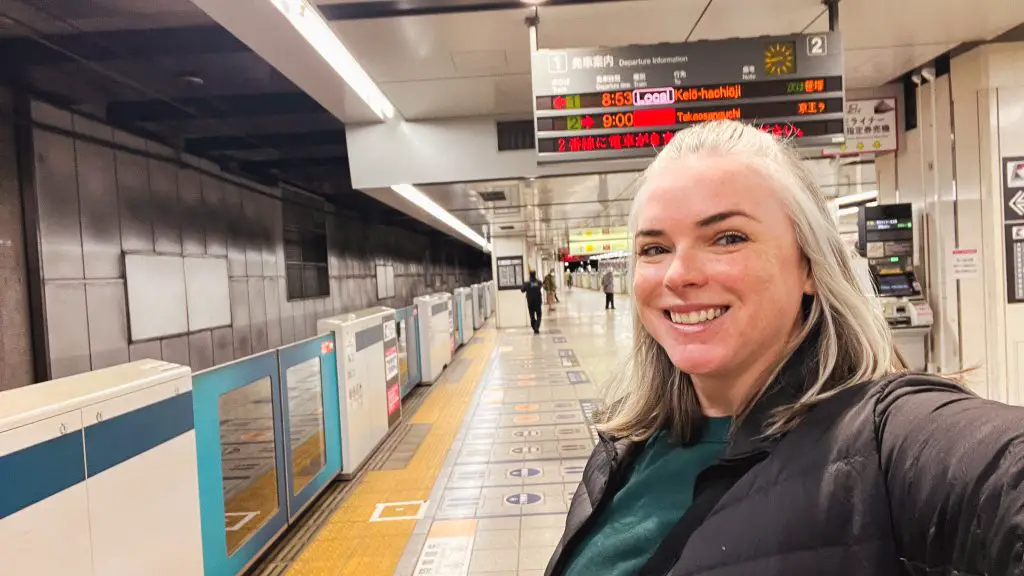
Additionally, public transportation is incredibly efficient, timely, and clean. If you miss a train, there is always (usually) another one in about 10 minutes. So the fear of having to get a specific train or bus, otherwise you’ll be stranded, is basically eliminated.
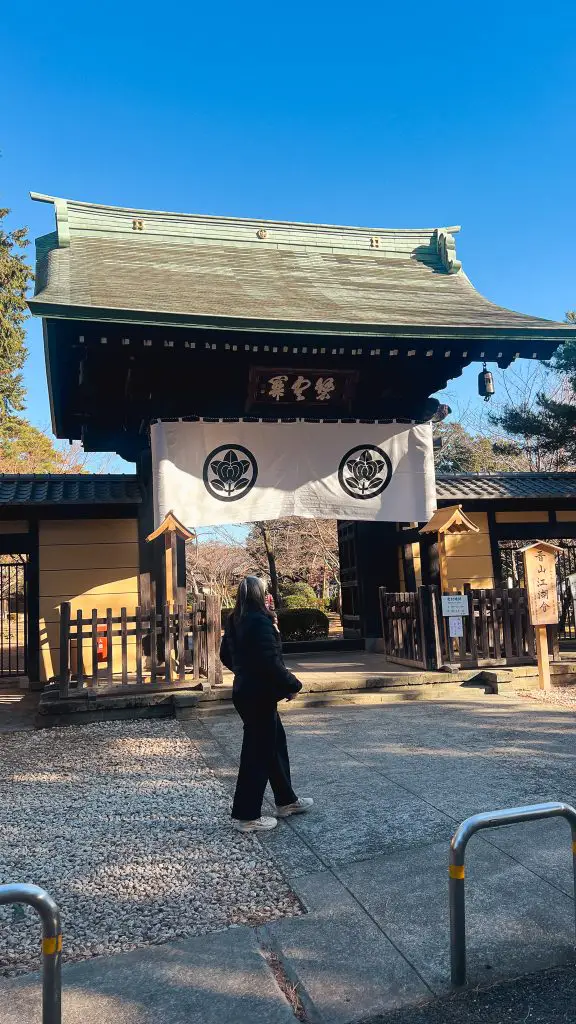
One time, in Croatia, a bus dropped me off on the side of the highway. I was told to cross 6 lanes of traffic, and another bus would be there to pick me up. About 20 minutes of standing on the side of the highway thinking about being abducted or hit by a car passed before another bus came by and got me. It was wild! That won’t happen in Tokyo.
Tokyo is also great if you’re nervous about eating meals alone, because there are so many solo diners that people don’t think it’s weird. Which, by the way, is not the case whether you’re in Tokyo or elsewhere. But since it’s so commonplace, it’s well set up for it. There are even ramen restaurants where you don’t have to talk to anyone!
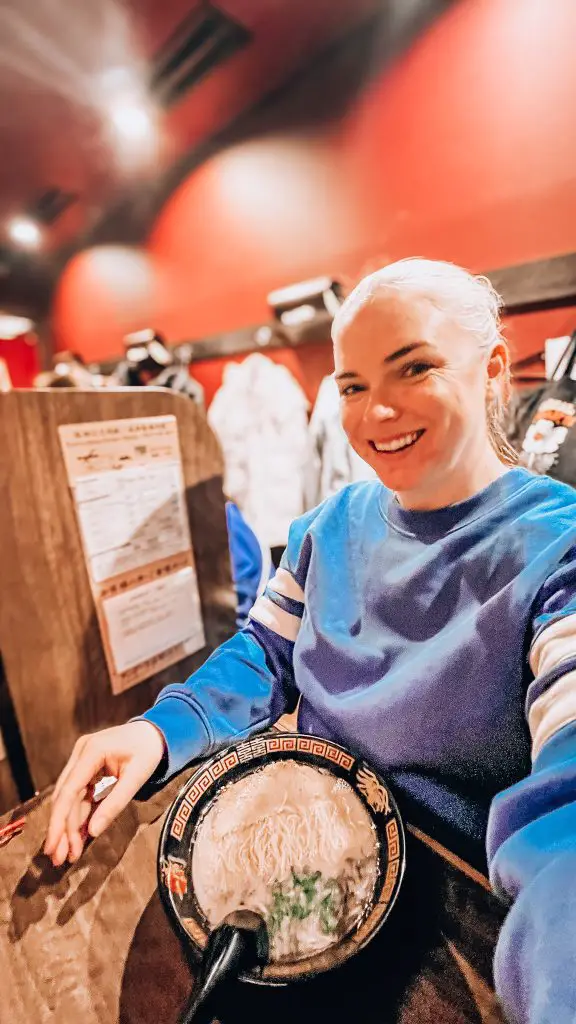
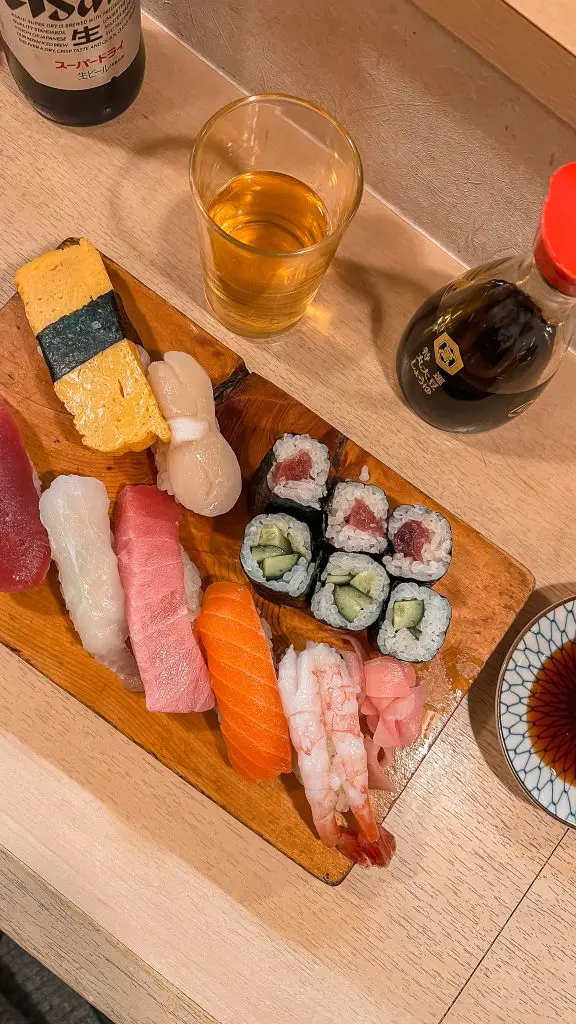
Japanese people are pretty reserved, so it may be difficult to meet new people. If meeting new people is something you want out of your Japan trip, I’d recommend staying in hostels or booking a popular guided day tour to meet fellow travelers and make new friends!
If you’re nervous about staying in hostels, many have private rooms and places to lock your personal belongings.
Tokyo Top 10 Things to Do
Now let’s get into 10 of my favorite things I did while I was in Tokyo!
Visit a Temple
There are two main religions in Japan, Shinto and Buddhism, and many Japanese will practice both as they complement each other well. As such, there are many Shinto and Buddhist temples and shrines throughout Tokyo.
There are many small ones in neighborhoods, but there are three major temples that I really enjoyed visiting and think deserve some time on your itinerary.
Senso-ji
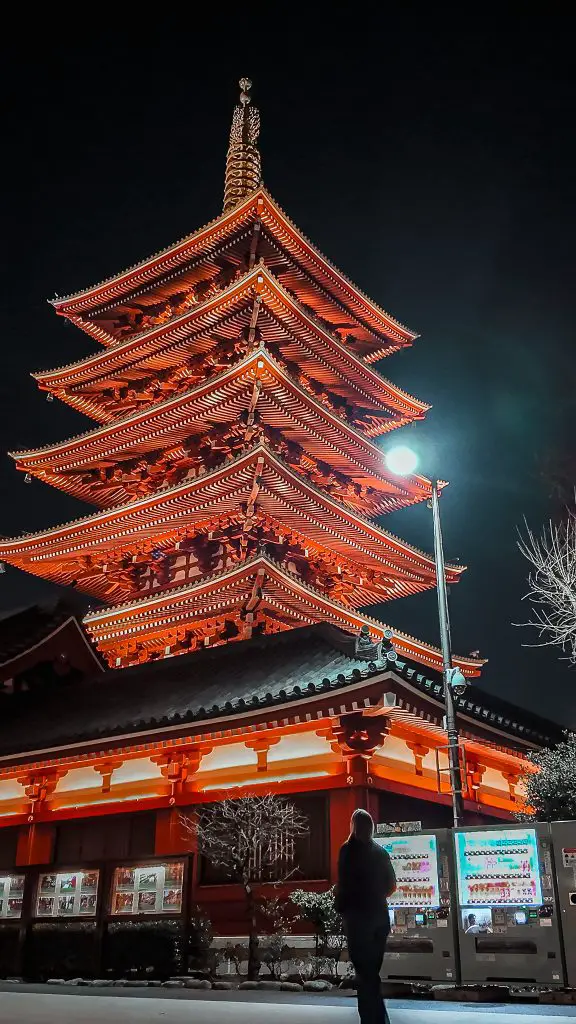
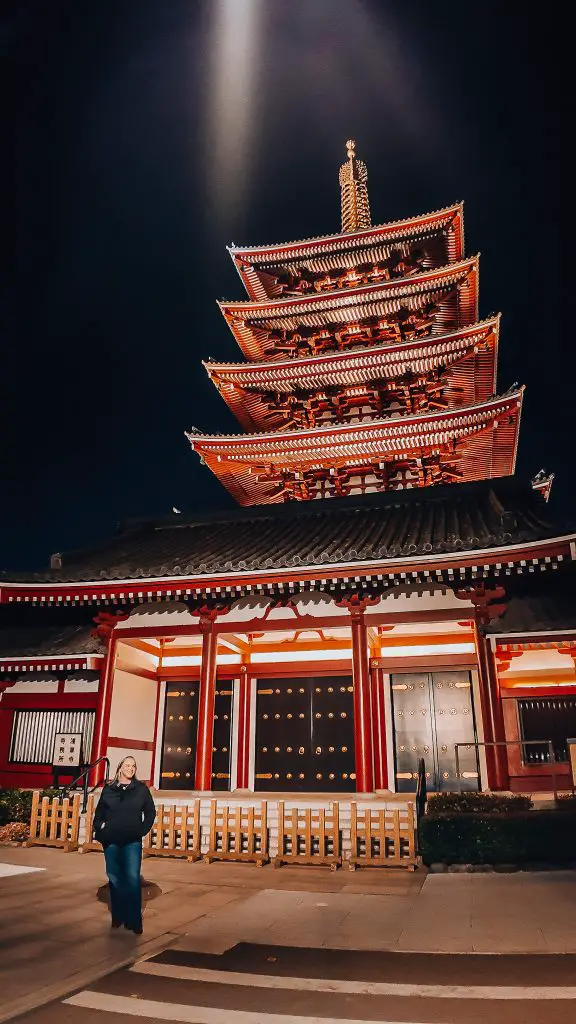
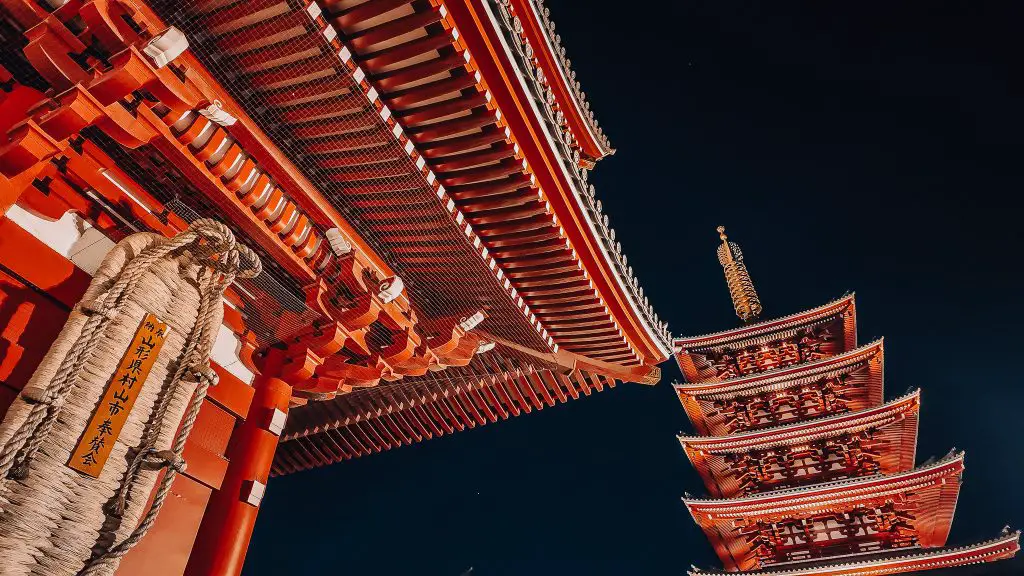
Senso-ji, located in Asakusa, is the oldest Buddhist temple in Tokyo. It is dedicated to the goddess Kannon whose statue was pulled from the Sumida River by fishermen in 628, leading to the building of this shrine.
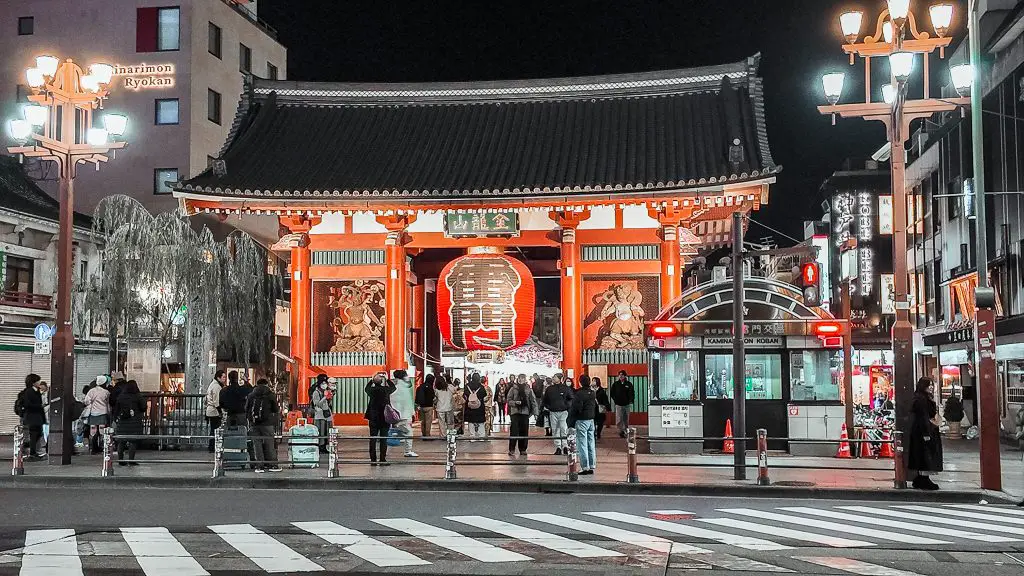
It’s well known for the giant red lantern that hangs on the entrance, called the Kaminarimon (Thunder Gate). From this gate, you’ll walk along Nakamise-dori, which is filled with shops and eateries, to get to the main hall.
Next to the main hall is an area where you can donate 100 yen to get a fortune.
I recommend visiting Senso-ji at night. It is beautifully lit and way less crowded than during the day. The shops along Nakamise will be closed, but I think it makes for a more peaceful visit.
Gotokuji
I didn’t know about Gotokuji Temple before I was in Tokyo. I was planning to spend the day in Shimokitazawa and noticed Gotokuji was nearby. When I googled it, I learned it is a Buddhist Temple known as the birthplace of the Maneki-Neko, the beckoning cat.
Legend has it that a lord was passing by the temple gate and was beckoned inside by a cat. While he was inside the temple, a thunderstorm began, which he was safe from, thanks to the lucky cat.
People visit the temple to pray for familial well-being, a prosperous business, luck, and happiness. As a cat mom, I knew I had to go check it out!
I arrived early in the morning around 9:00 am and it was quite a peaceful start to the day. People were around, but everyone was quiet and respectful.
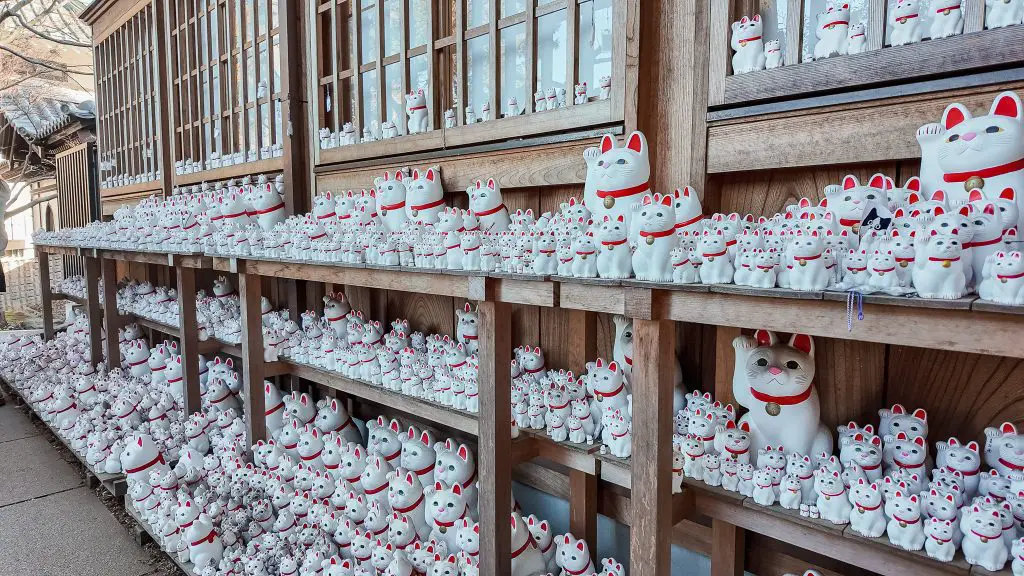
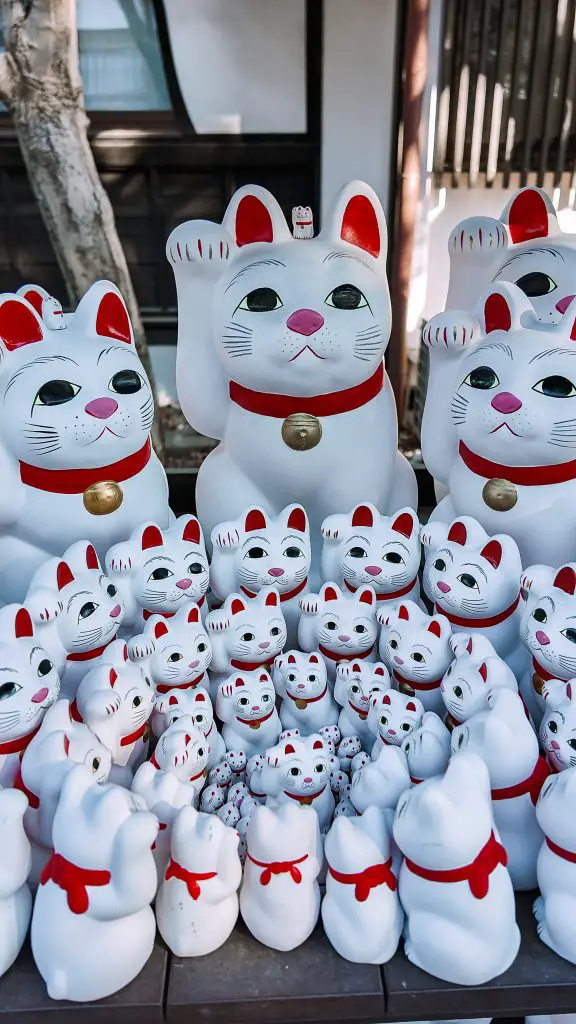
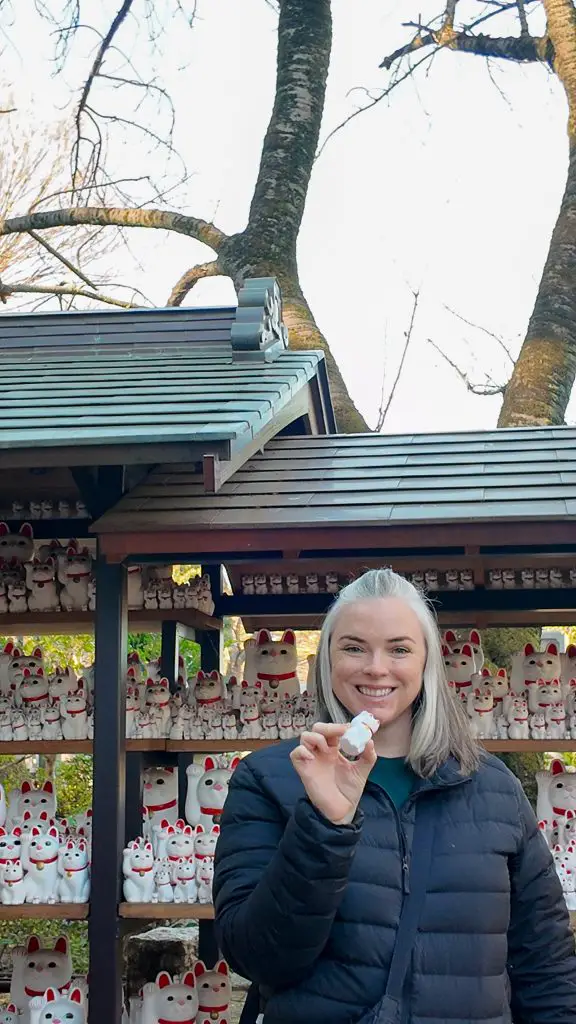
After passing through the main gate, walk toward the main hall and follow a path around the corner. You’ll find a walkway with literally hundreds of maneki-neko statues of varying sizes.
It’s a popular photo opportunity so do your thing, then go to the temple office to purchase your own statue (you’re limited to one per person).
You can leave the maneki-neko statue around the temple, (you’ll see them placed in little nooks and crannies all over) or you can take it home with you!
Meiji Jingu
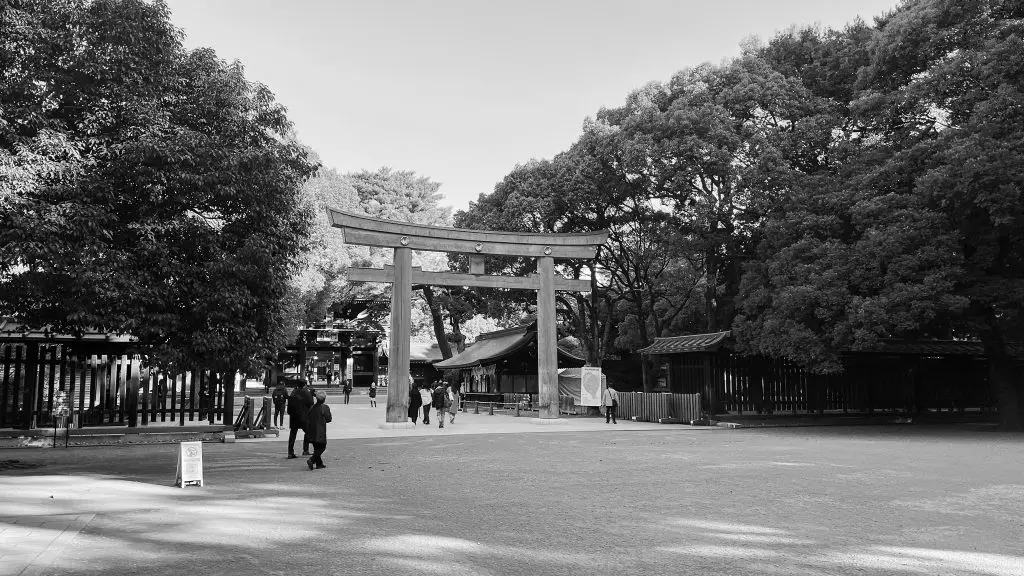
The Meiji Jingu Shrine was the first one I visited, jet lagged at 8:00 on my very first morning in Tokyo. Meiji Jingu is a Shinto temple, built in 1920 and dedicated to Emperor Meiji and Empress Shoken. The original shrine was burned down during WWII and rebuilt in the late 1950s.
Its entrance is just behind the bustling Harajuku train station, but as soon as you walk through the gate, it’s incredibly serene, and you wouldn’t know you were in a huge city because it’s actually in a large forested area called Yoyogi Park.
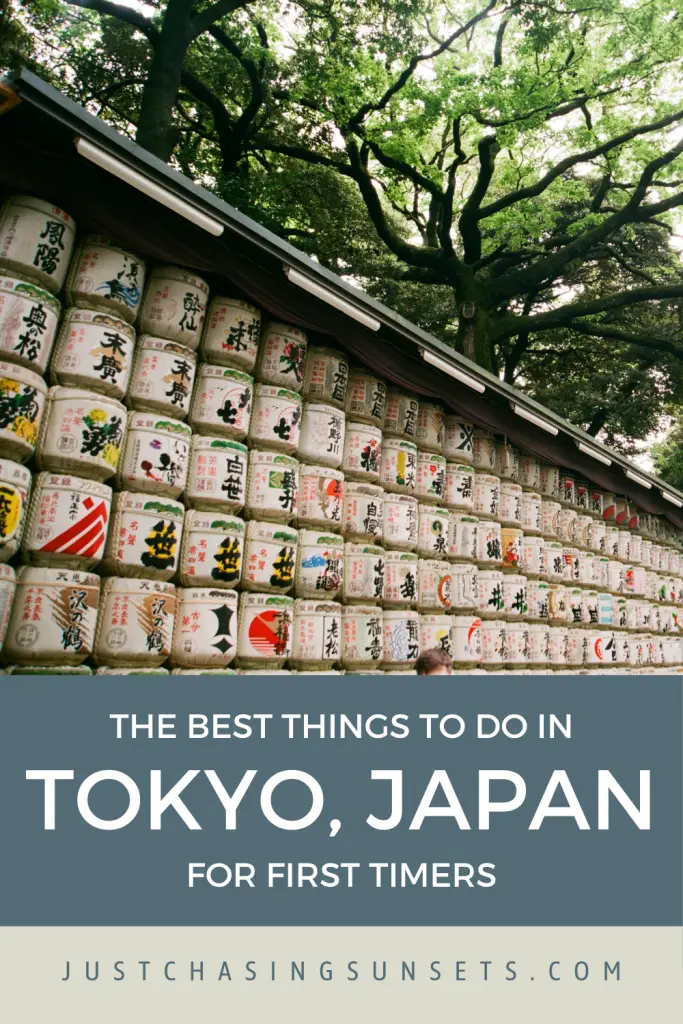
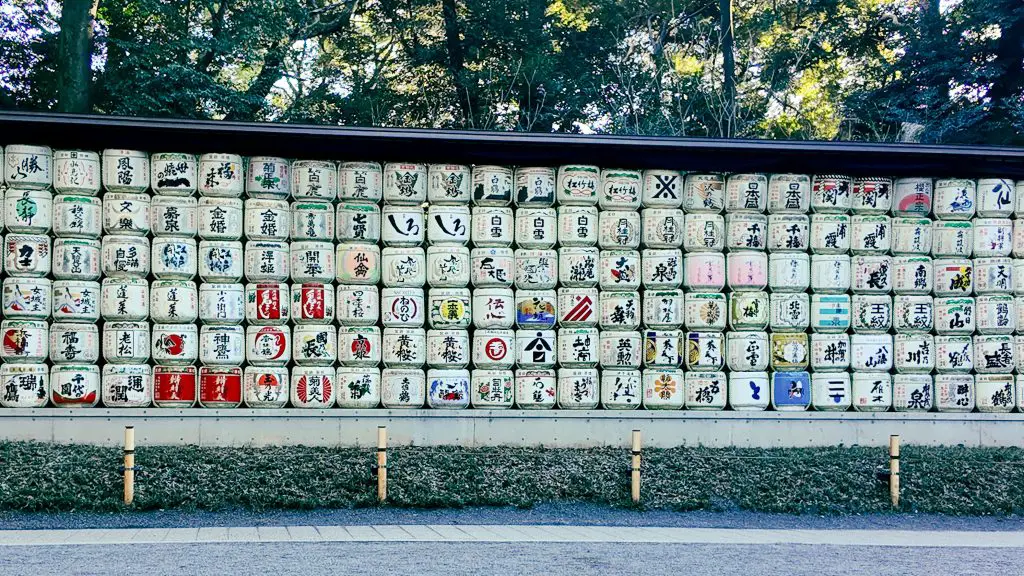
It was a really peaceful start to the trip and I enjoyed the walk to the shrine passing by sake barrels, listening to the sound of birds chirping.
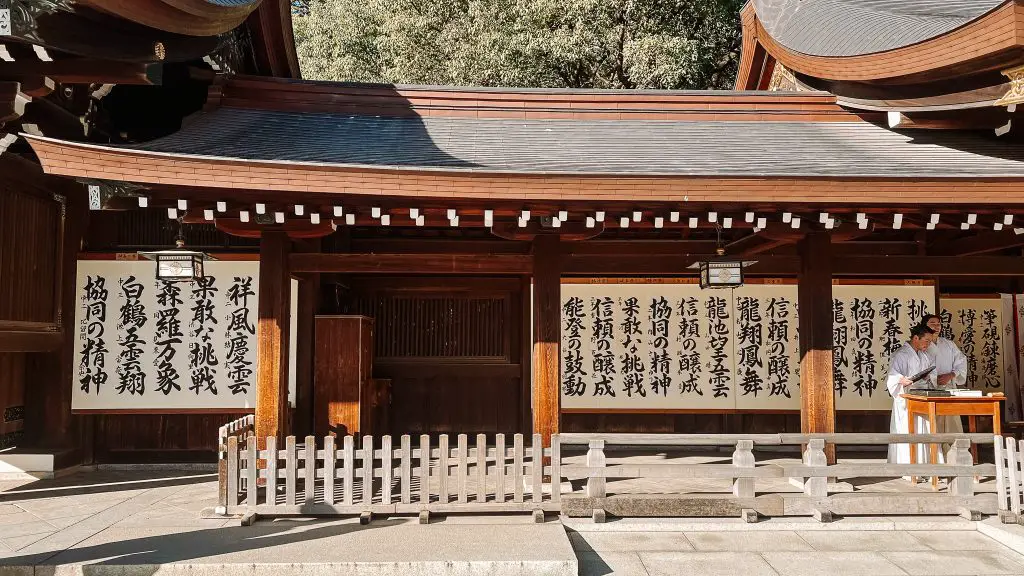
Before entering the Main Sanctuary area, you’ll see a purification area. You’re supposed to rinse your hands and rinse out your mouth. DO NOT swallow the water.
There are tables to the right of the sanctuary with paper where you can write your wishes, aspirations, or express gratitude. Place it in an envelope and then in a wooden box. These are collected and offered every morning during their morning ritual.
You can also purchase wooden cards to write these on and hang it around the tree.
I did this trip in January of 2026, writing my gratitude and hopes down as an offering felt like an incredibly intentional way to not just start the trip but also the new year.
Watch Shibuya Crossing
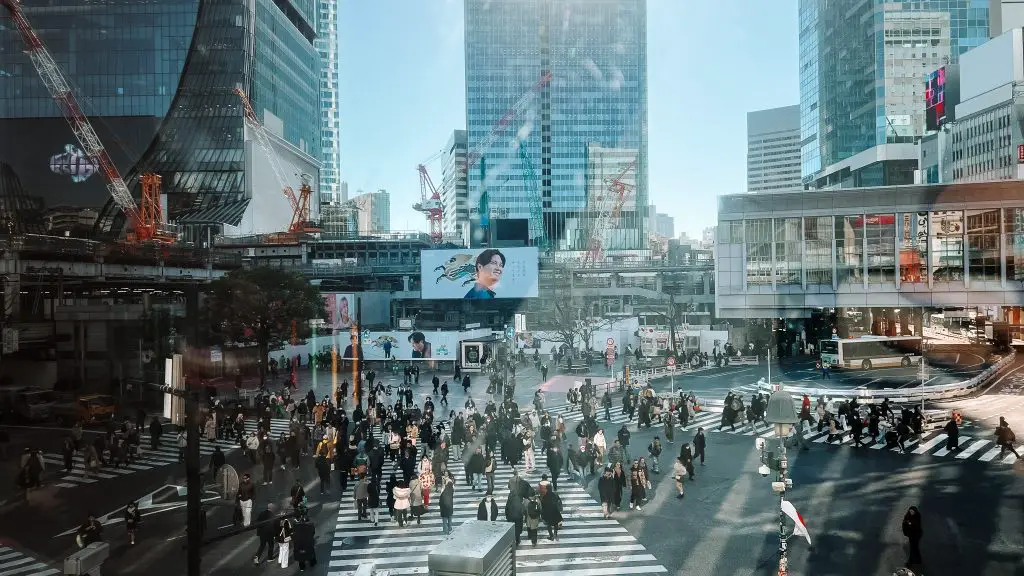
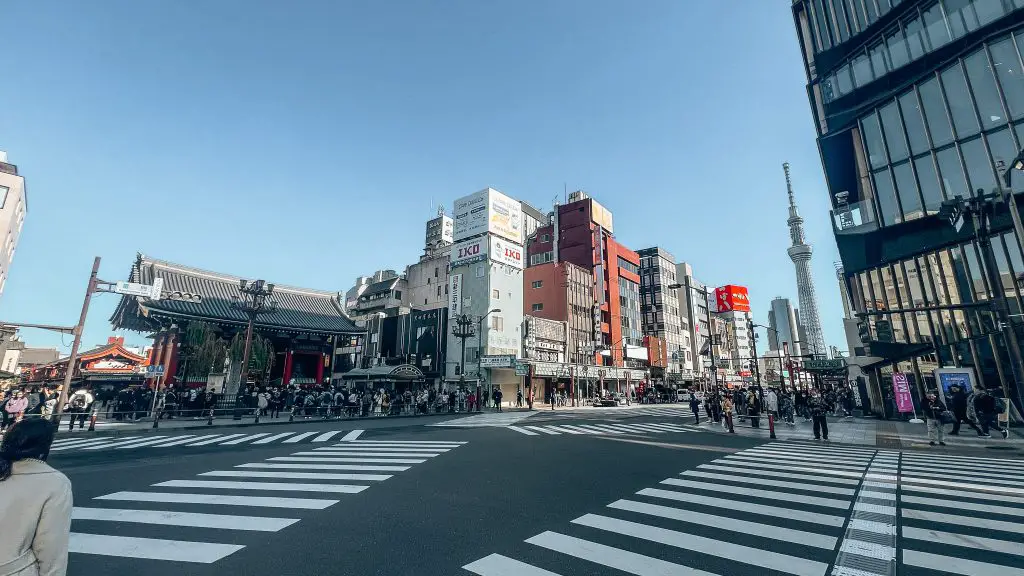
Shibuya Crossing is dubbed the world’s busiest pedestrian crossing. It’s located right next to Shibuya Station and has the scramble crossing, which is also seen elsewhere in Tokyo. Thousands of people cross at the green light throughout the day!
I went midday and crossed a few times, it was fun to do! I had planned to go up to the top of a building called Magnet, to watch it from above, but the viewing platform was closed.
Instead, I went to the Starbucks that’s right there, got a matcha latte (that was way better than the Starbucks matcha lattes at home) and watched from the window for a few minutes.
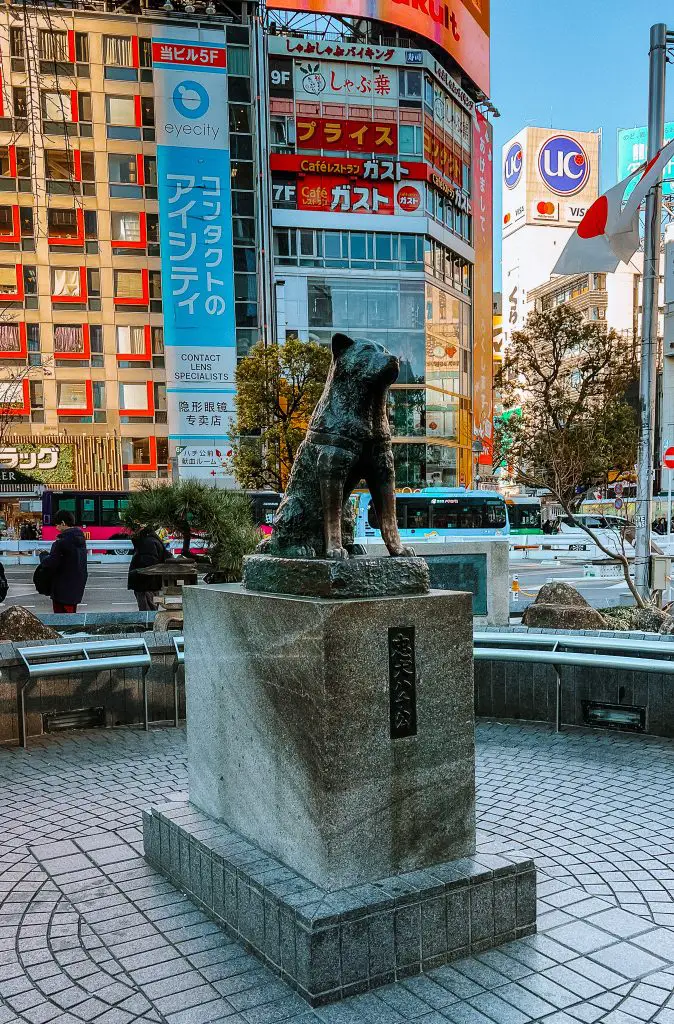
Near Shibuya Crossing is the statue of Hachiko. This is a statue of the Akita dog Hachiko who in the 1920s had an owner who would go off to teach classes and return each night to Shibuya station. Hachiko would wait for his owner to return and go home with him.
One day, the owner passed away while at work and did not return to Shibuya Station. For 10 years, Hachiko would walk to Shibuya Station every day to await his owner’s return.
A statue was erected of the dog with a drooped left ear to commemorate his loyalty.
Go Shopping
Tokyo is known for its shopping from vintage and thrift to high end, from clothing to home goods there is something for everyone.
There are a few neighborhoods in Tokyo that are known for specific types of shopping, so I’d recommend picking a neighborhood based on what type of shopping you like.
I will just make a note that as someone who wears a size 12 in US women’s pants, I found it very difficult to shop for pants as many of the sizes were smaller. So I focused on tops, shoes, and jewelry while I browsed.
Vintage Shopping in Shimokitazawa
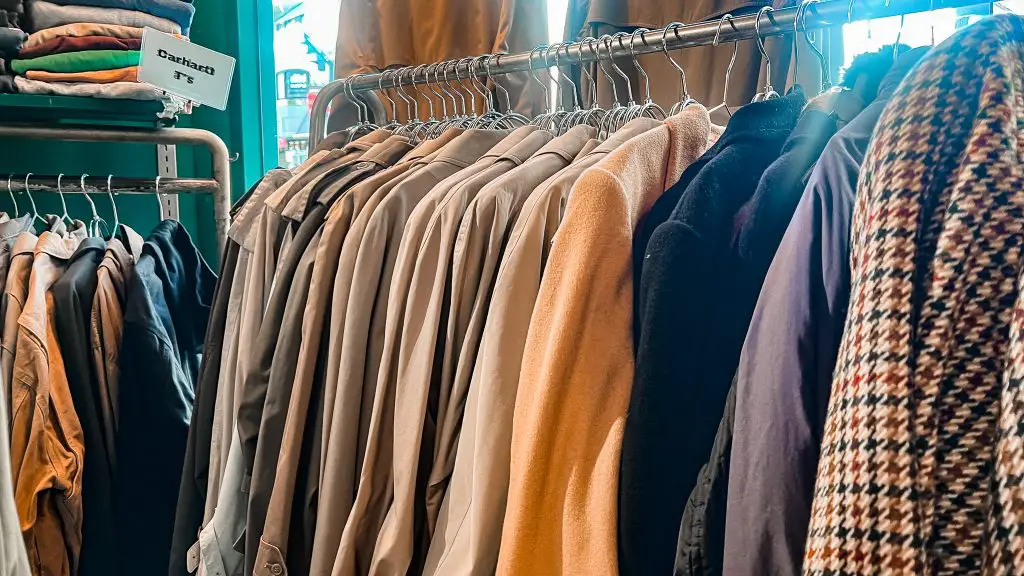
Shimokitazawa popped up on my for you page while I was in Tokyo, and every post said it was great for thrift and vintage shopping. While I’ve only recently gotten into thrift shopping, I still decided to go check out the neighborhood.
Shimokitazawa reminded me quite a bit of the Haight-Ashbury neighborhood in San Francisco, but way cleaner. The streets had large and small thrift stores, some well curated, others similar to a Goodwill vibe. If you are looking for Carhart, a London Fog trench coat, or Levi’s, you’ll definitely find that here. But as someone visiting from the US, I was actually surprised to see many US university sweatshirts and hats. Which to be honest, is something I’m just not interested in.
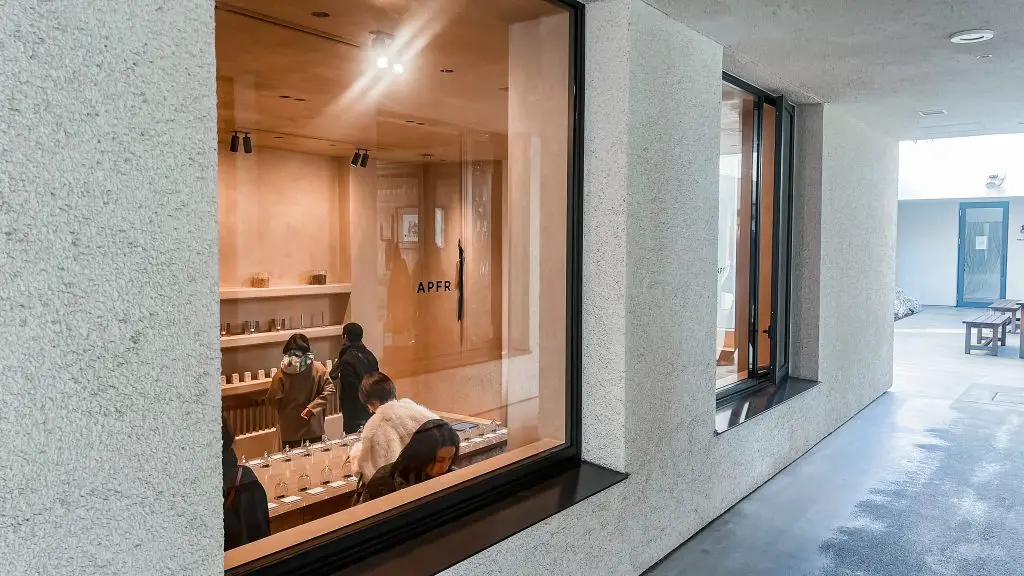
However, I loved APFR, a home fragrance shop that had unique scents. I purchased a closet fragrance and room spray. I’ve been using it ever since I got back and absolutely love it!
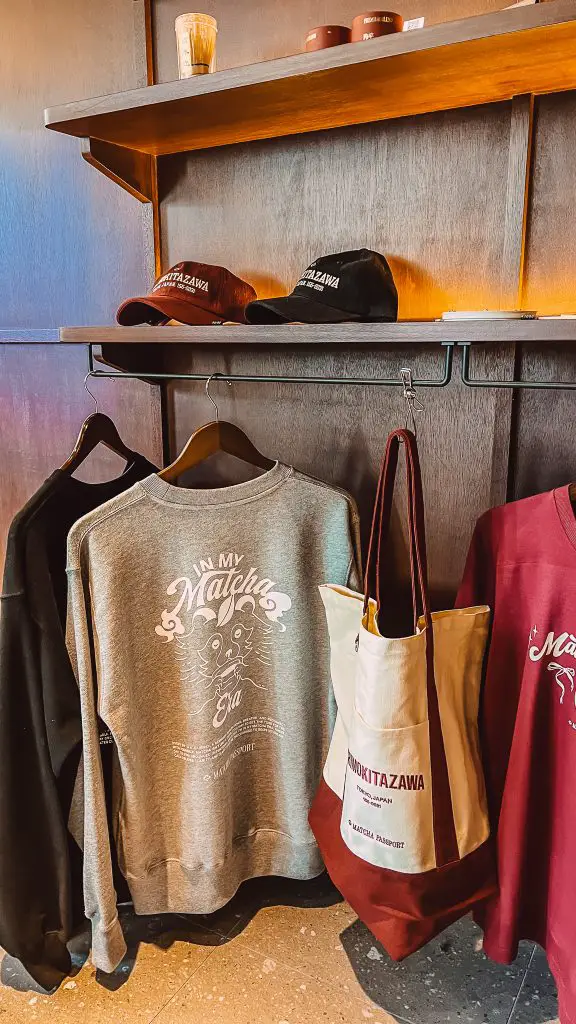
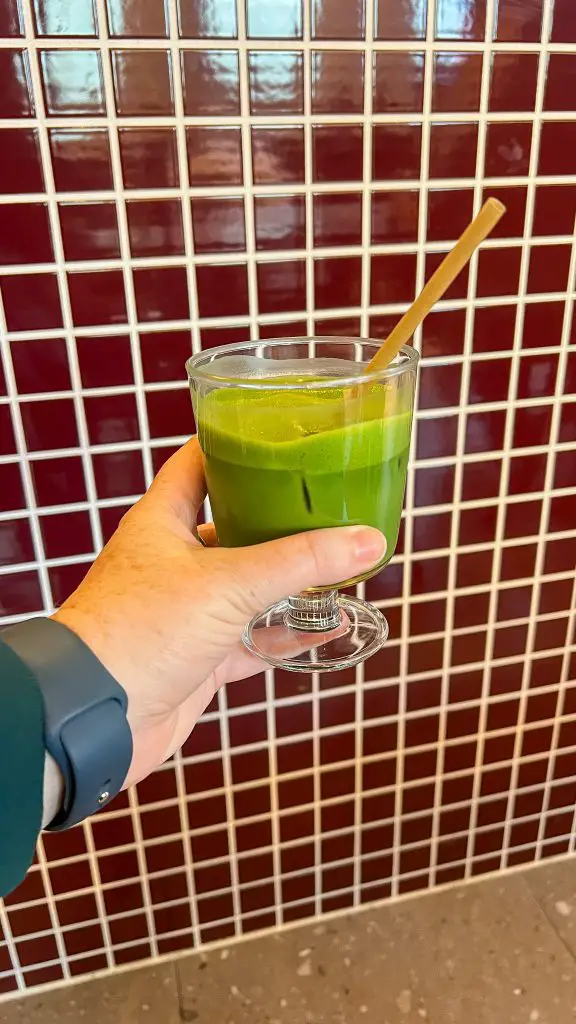
There is a great matcha spot here for when you need a break from shopping, called Matcha Passport, which makes a great matcha latte and has some seating.
Designer Shopping in Ginza
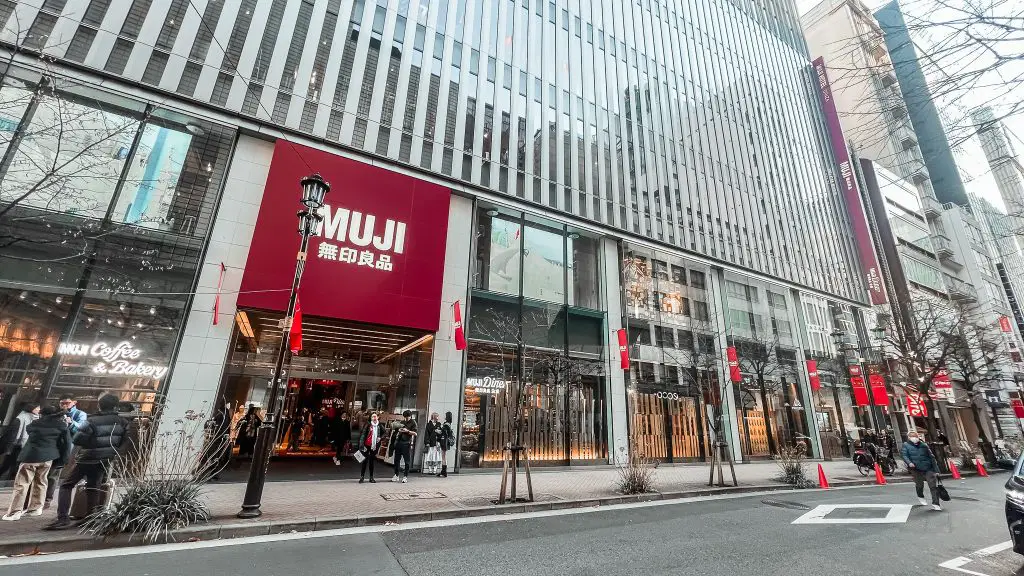
Ginza is home to high-end designer brands, the original Uniqlo, Muji Hotel, and the original Itoya. Ginza reminded me of shopping on 5th Avenue in New York. I’ll be honest, I didn’t spend much time here because I went to Ginza to get a facial, afterwards I popped into Uniqlo, Muji, and Loft.
By the time I was done with those three stores, I was done with shopping so I didn’t check out any of the other stores here!
A Little Bit of Everything in Harajuku
Harajuku surprised me. I thought that it would just be cutesy character shops, but it’s actually a great shopping area and has a good combination of boutiques, vintage, and name-brand stores. You’ll find Onitsuka Tiger next to a thrift store, next to a boutique.
I really liked window shopping along Cat St.
Stock your Kitchen in Kapabashi
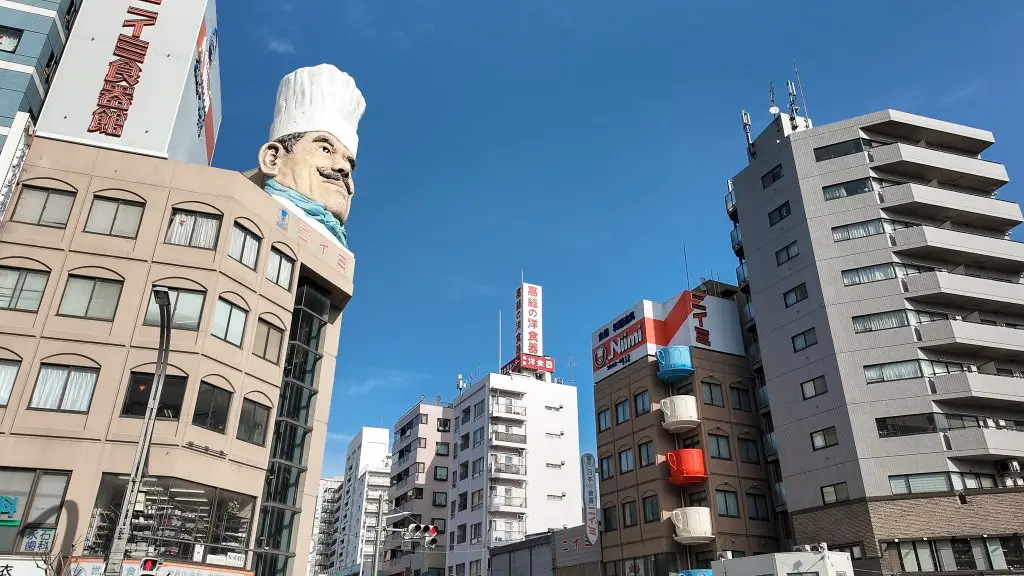
Kapabashi, also known as kitchen town, is the go-to place for ceramics. There are so many shops with kitchen supplies. You can literally get everything from a sponge to an entire pot and pan set.
If you’re in the market for a Japanese knife, this is where to go. There were many knife shops along the street.
I was looking for cute matcha cups, and I found these beautiful ones in a shop. I regret not buying the grey ones next to them!
They wrapped everything up really well and were easy to transport home without breaking.
Pro Tip: Leave your large backpacks at home. The aisles are very narrow and crowded. It’s hard to maneuver without accidentally knocking something over.
Eat Your Fill at the Tsukiji Fish Market
Start your day sampling a variety of Japanese cuisine at the Tsukiji outer market. I opted to do a food tour of the Tsukiji Fish Market. After the overwhelm I experienced shopping in the Loft and Don Quijote, I wanted someone to hold my hand and guide me through the stalls.
We started the tour walking through the indoor fish market, which is definitely where locals and restaurants go to get their fish. They don’t allow photos of their stalls (unless you buy the fish), which I was not going to do!
There were some prepared food stalls in this part of the market, but generally, it was focused on fresh, whole fish.
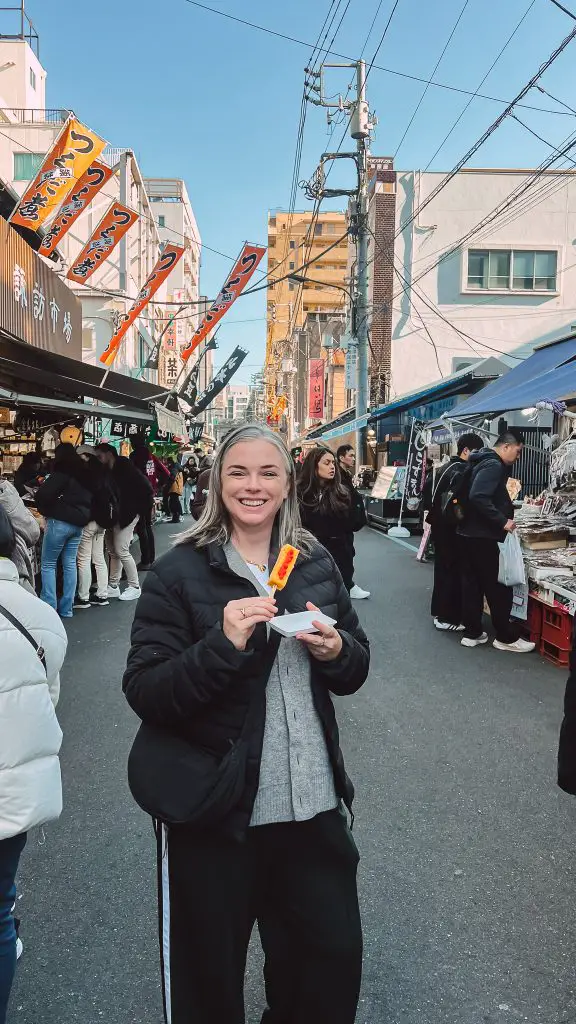
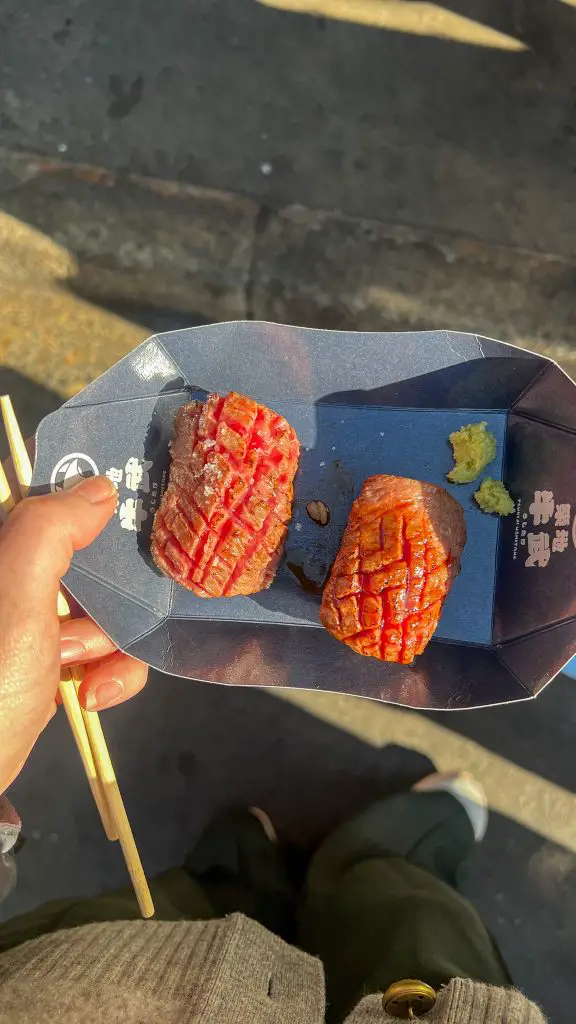
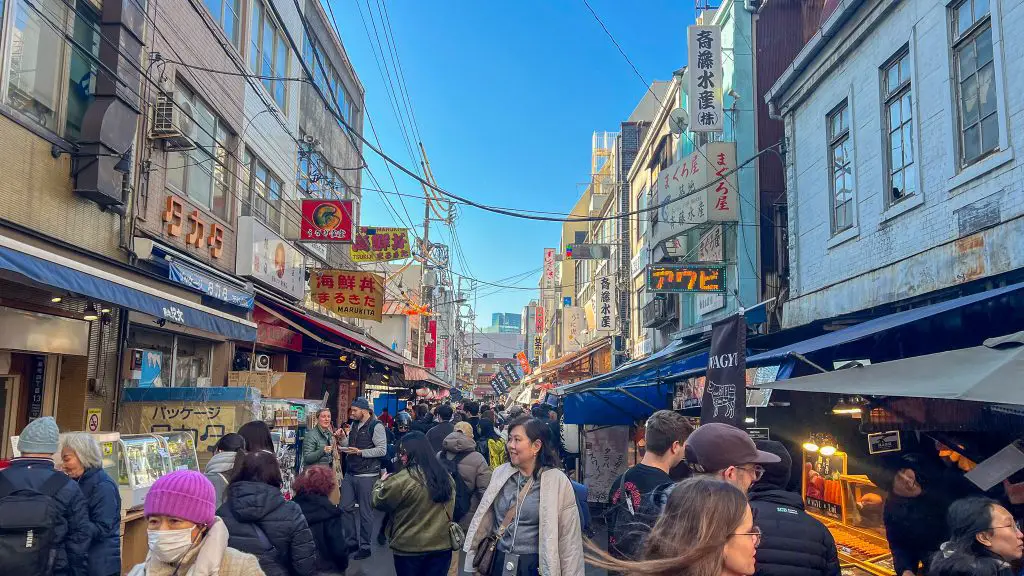
After the indoor fish market, we went to the Tsukiji outdoor market and sampled all of the best food. We had the omelet, fresh tuna sashimi, wagyu sashimi, grilled unagi, and also sampled treats from other stalls.
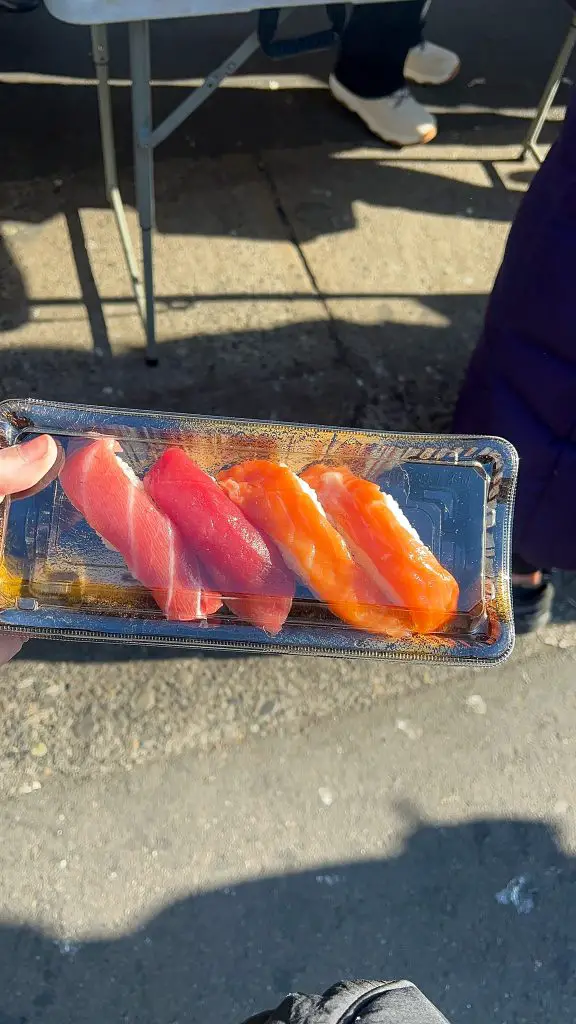
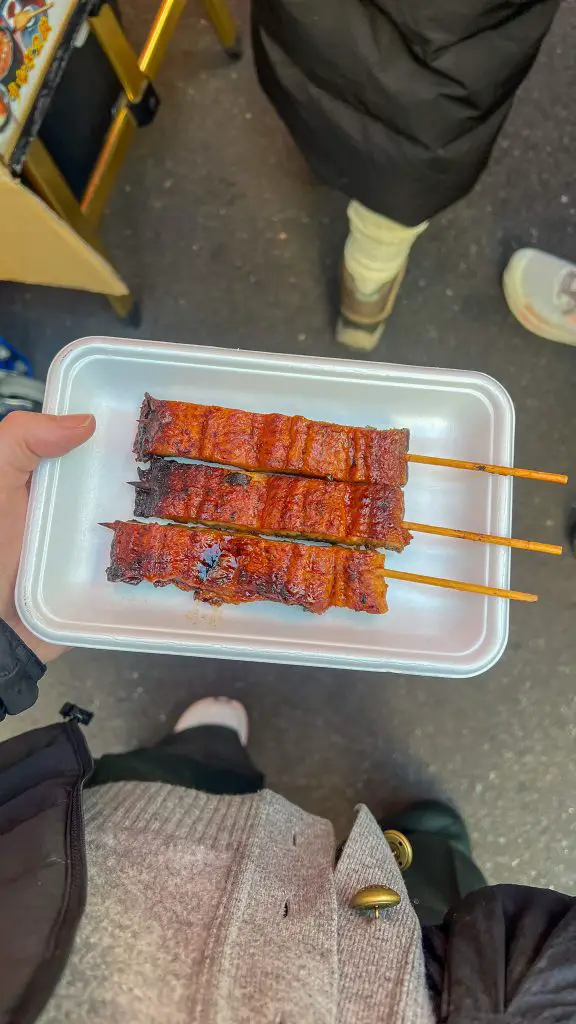
I thought it was well worth it to do the walking tour because we also sampled delicious snacks that I would have simply walked by if I were on my own.
That being said, you can definitely just bop around on your own and eat anything that looks good to you. I don’t think you can go wrong in choosing a spot to eat here!
Book your Tsukiji Food Market Tour here!
Drink Matcha
If you’ve been following me for any length of time, you’ve probably caught on that I’m a HUGE matcha fan. Give me the slightly bitter, slightly grassy, umami taste of a vibrant green matcha and I am a happy girl.
In my travels, I seek out cafes that offer matcha lattes and more times than not, I am let down.
Matcha was originally used in Japan in tea ceremonies. It was not a tea that was consumed on a daily basis. As matcha has risen in popularity over the years, the ability to produce for the demand has been a struggle (to put it very lightly). High-quality matcha (from Uji, Japan) requires very specific growth and harvest conditions.
My thought is that many of these cafes worldwide get green tea and call it matcha. I can’t fault them for that because quality matcha is very expensive and increasingly hard to get.
But in Tokyo, oh my. I was only let down by one matcha latte. All of the other places I went for a matcha, including Starbucks, made a delicious matcha latte.

Many of the cafes that specialize in matcha offer a variety of matcha powders to choose from and will help you decide based on your taste. Even the specialty coffee shops make a good matcha latte!
Some cafes have gotten very creative in their presentation, going viral on social media for them. Others I visited quietly made a delicious cup!
Here are a few of my favorite matcha lattes I had while in Tokyo.
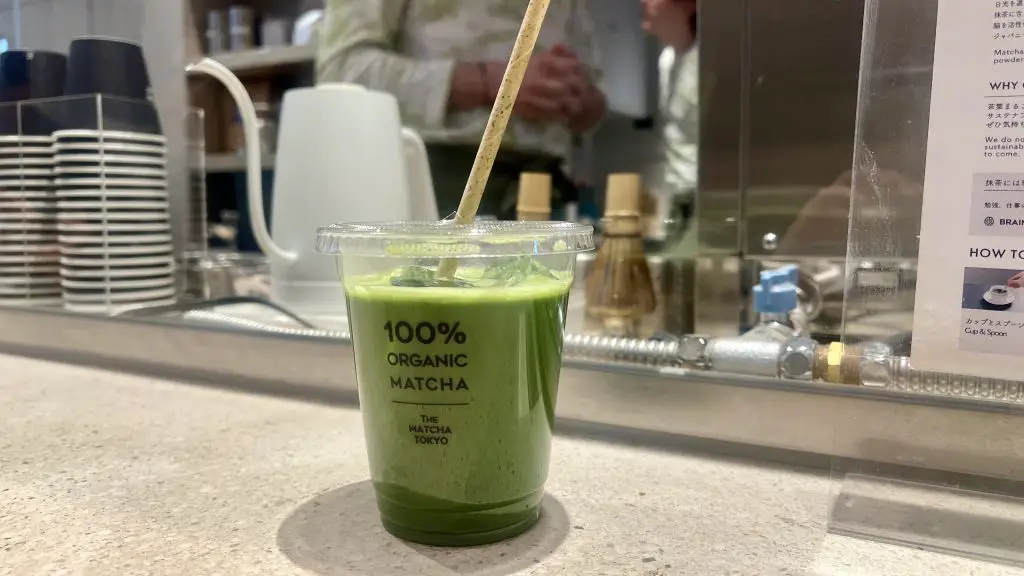
The Matcha Tokyo
With multiple locations throughout Tokyo, The Matcha Tokyo is a good place to get a quality cup of the green stuff.
I visited the xxx location which was inside of a small mall with cute shops. There is some bar seating and table seating as well, which was nice compared to some of the other matcha locations I visited, which were just standing room only.
I got a simple, iced oat matcha latte, and it had the best green color and great umami taste.
Hatoya Matcha
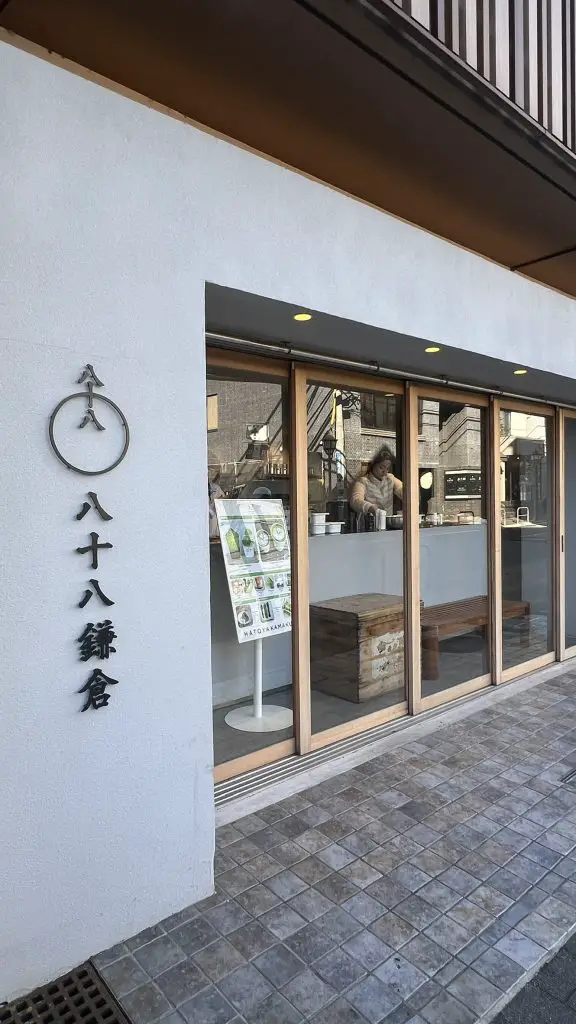
Known on social media for their iced matcha lattes topped with a scoop of matcha ice cream, Hatoya is all the rage and people will be lining up for it all day. There are multiple locations throughout Tokyo as well as in Kamakura.
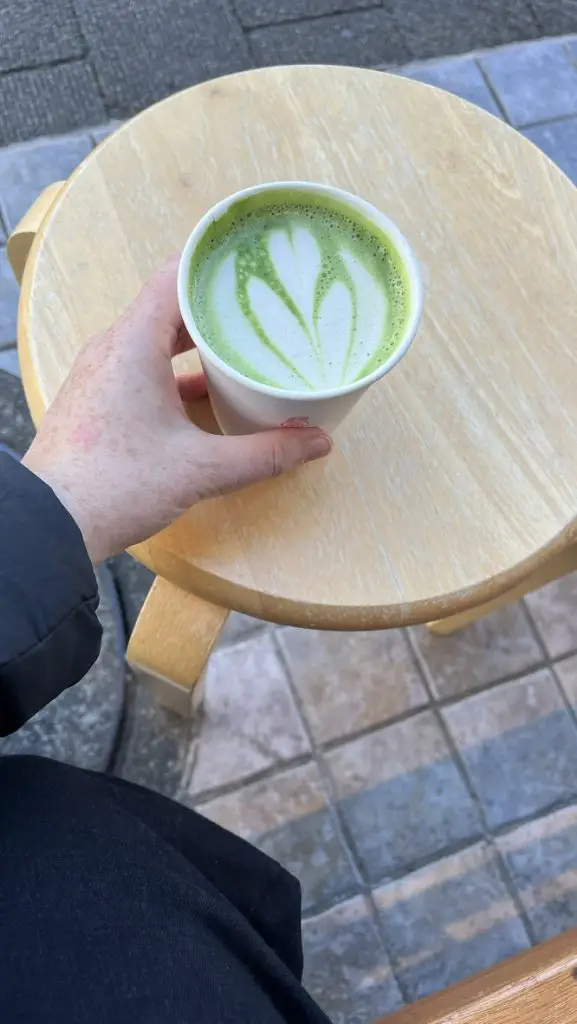
I was able to get a hot matcha latte from their location in Kamakura just as they opened for the day and really enjoyed it before starting the journey to the Giant Buddha.
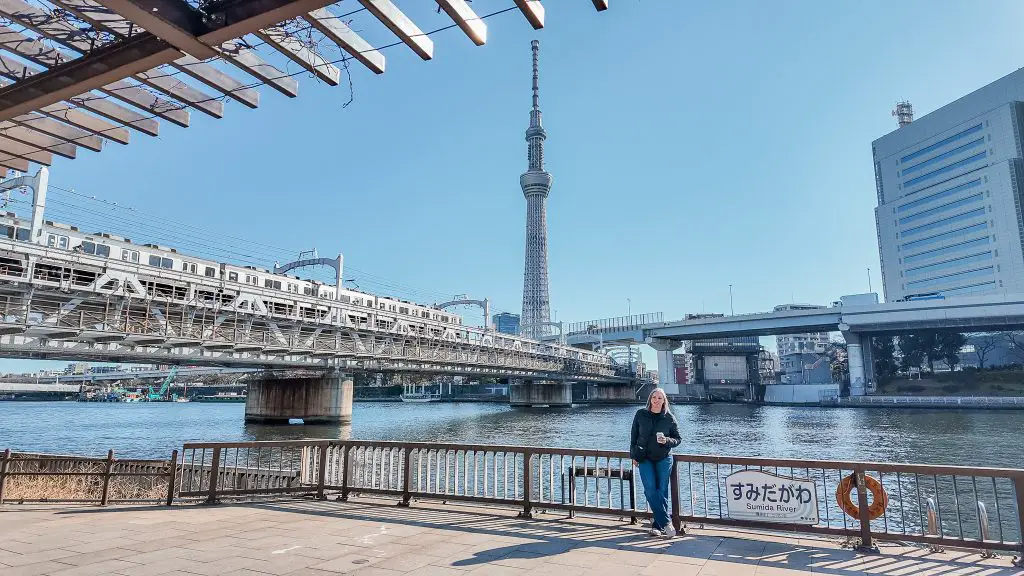
A few days later, after a morning walk along the river to Tokyo Tower, I went to the location in Asakusa just as they opened and didn’t have to wait in line. As it was a chilly morning, I opted for their roasted matcha latte and it was so cozy. I ended up purchasing a container of the roasted matcha powder to bring home with me!
Many people showed up right after me, so I timed both visits perfectly.
Since I hadn’t tried the viral iced matcha latte topped with a scoop of matcha ice cream (not exactly what I like to drink first thing in the morning) I tried to visit later in the day; however, the line was about 15 people long and while it probably moved quickly, I just couldn’t be bothered to wait.
Especially as on the way to Hatoya, I’d passed another matcha spot without a line and enjoyed a well-made iced matcha latte there.
Chotto Matcha
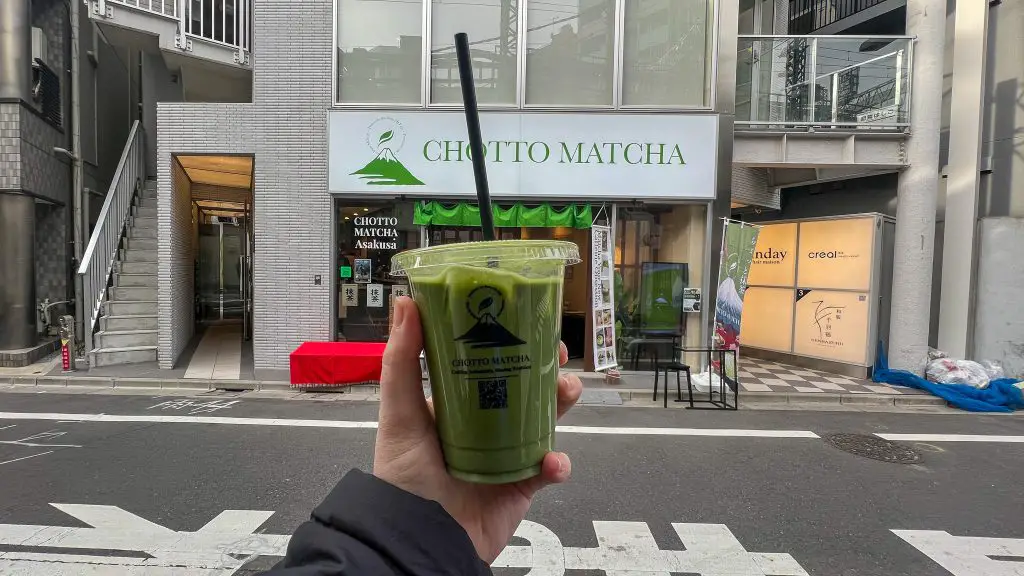
My unwillingness to wait in line at Hatoya led me to Chotto Matcha, just down the street. The people who work there are incredibly friendly and struck up a conversation with me, which I found hard to do in Tokyo due to the language barrier.
While there was no ice cream in their matcha menu, they do offer a variety of flavors you can add, but I just went with the traditional with oat milk over ice. It hit the spot! It was vibrantly green, not too bitter, and well-balanced!
Matcha Times
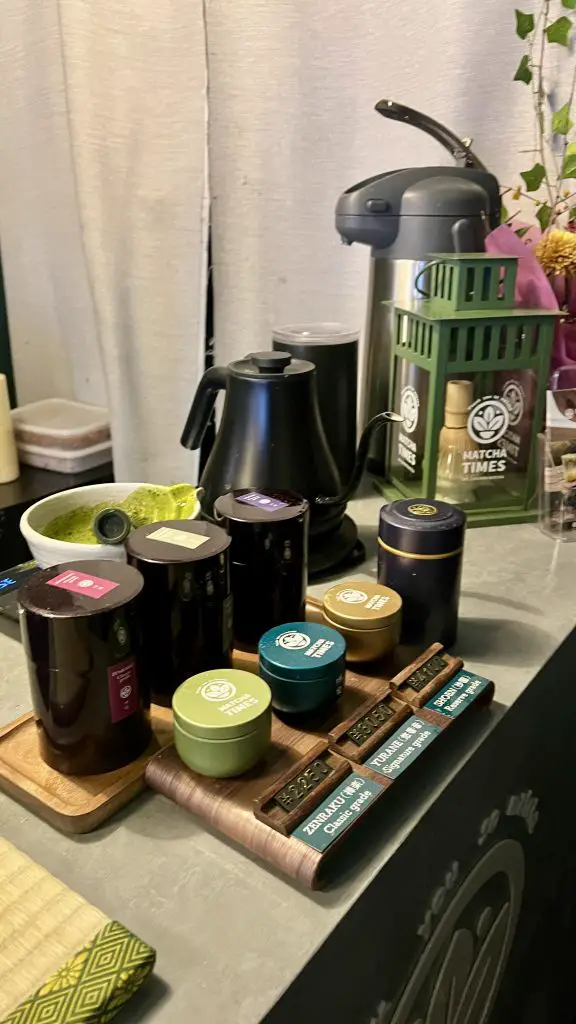
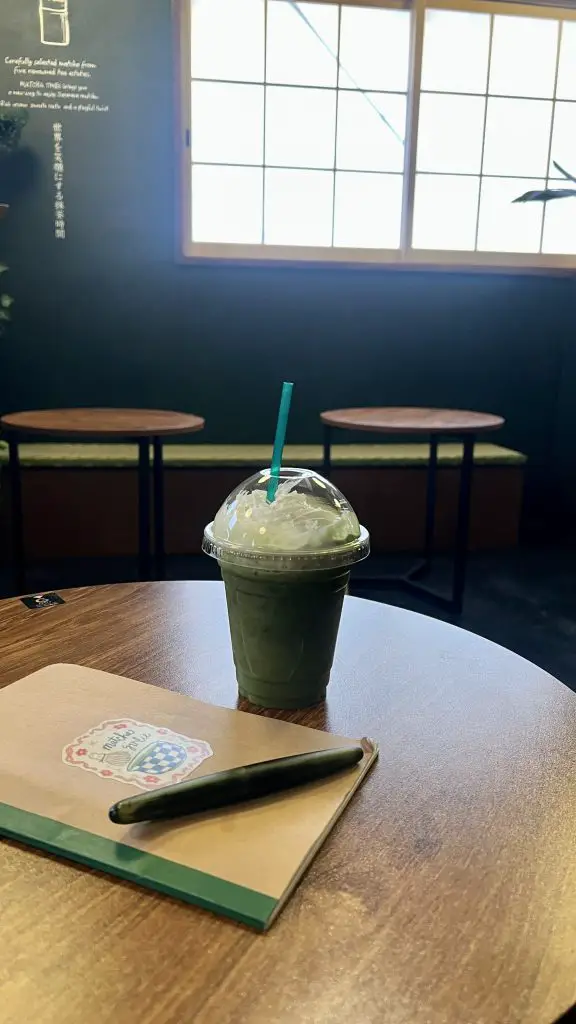
The morning before I flew home, I googled matcha latte near me, and found Matcha Times in Asakusa. I decided to be adventurous and try a flavored matcha latte, getting the iced yuzu matcha.
While it was a good drink, the yuzu overpowered the matcha, and I realized I just really like matcha too much to mess with what I consider a good thing.
I don’t fault them, though, that’s a me thing.
The space was beautiful, the staff was friendly, and they had some cute matcha merch. I bought a tin of matcha and some pins from them.
Atelier Matcha
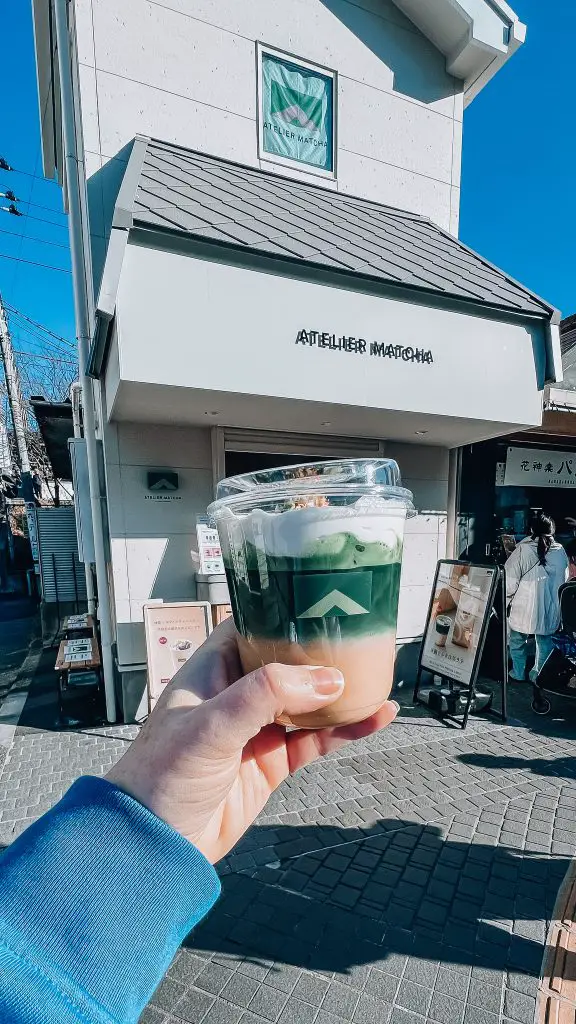
Before getting on the train back to Tokyo from Kamakura, I stopped at the Atelier Matcha storefront for a matcha to end the day. I decided to try my favorite matcha latte combo with Earl Grey tea!
They topped it with whipped cream and some sort of brown syrup, which I’m still not sure what it was, except it was delicious.
The Earl Grey flavor married perfectly with the matcha, and I was so sad when I finished the drink!
The main Atelier Matcha location is in Ginza in Tokyo.
Take a Matcha Making Class or Participate in a Japanese Tea Ceremony
Originally, I wanted to participate in a traditional Japanese tea ceremony, but through my research process, I realized that I would have to kneel, and I just can’t do that for a long period of time right now!
(Some places offer accommodations for this, but I wanted to fully participate in the tradition).
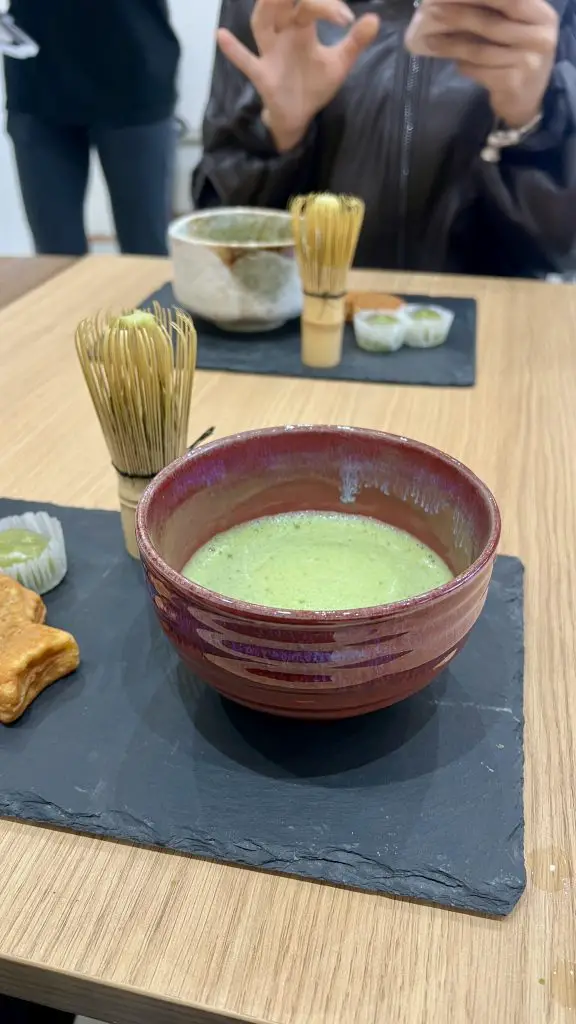
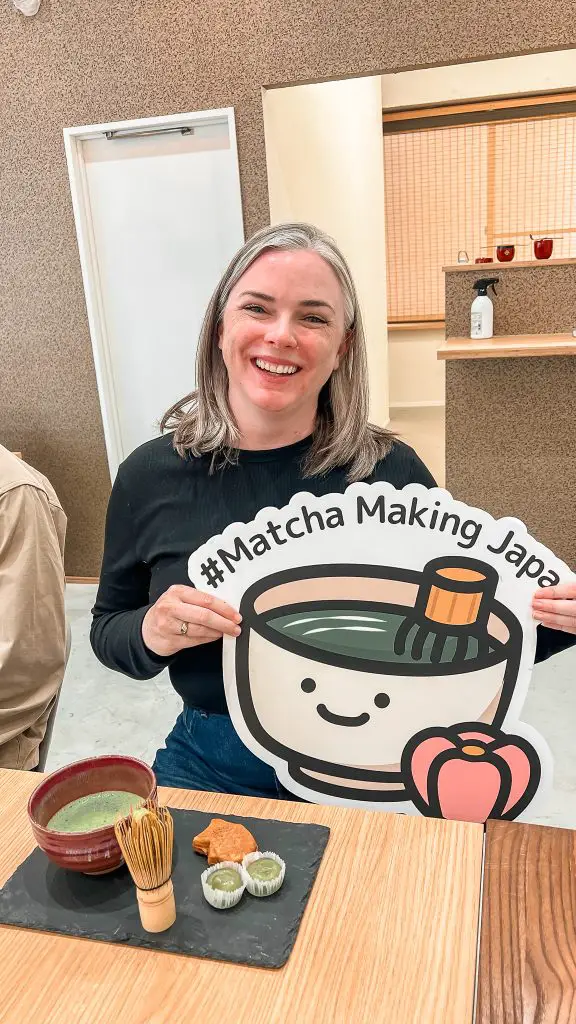
Instead, I chose to go to a matcha-making class. As someone who makes a matcha latte every day, I wanted to learn more about it and ensure that I was making it properly. The class was an hour long and touched on the history of matcha and included instructions on how to properly drink matcha from the bowl.
It was a really enjoyable hour! It’s right near Senso-ji Temple, so it would fit into an itinerary well, provide a break from walking, and is a great rainy day activity!
Book your matcha making class here!
Explore Tokyo’s Neighborhoods
One reason why I decided to stay in Tokyo for an entire week and not try to fit in Kyoto or Osaka as well was that I really wanted to lean into exploring Tokyo’s neighborhoods. I would pick a neighborhood and spend the day doing all of the things I could in that specific area.
And I still barely scratched the surface of them. I wasn’t even able to make it to the bookshop or Akihabara in the week I was there!
I’ve already mentioned a few of Tokyo’s neighborhoods here in the shopping section so I’ll just do a quick overview of them because each neighborhood probably needs its own blog post (from someone way more familiar with it than me).
At the end, I’ll highlight my favorite neighborhood in Tokyo that I don’t see talked about too much!
Shibuya
Where you can find the famous Shibuya crossing and lots of shopping. The area has a very fast-paced energy! Harajuku is part of Shibuya and has a very youthful vibe, with lots of great shopping.
Shinjuku
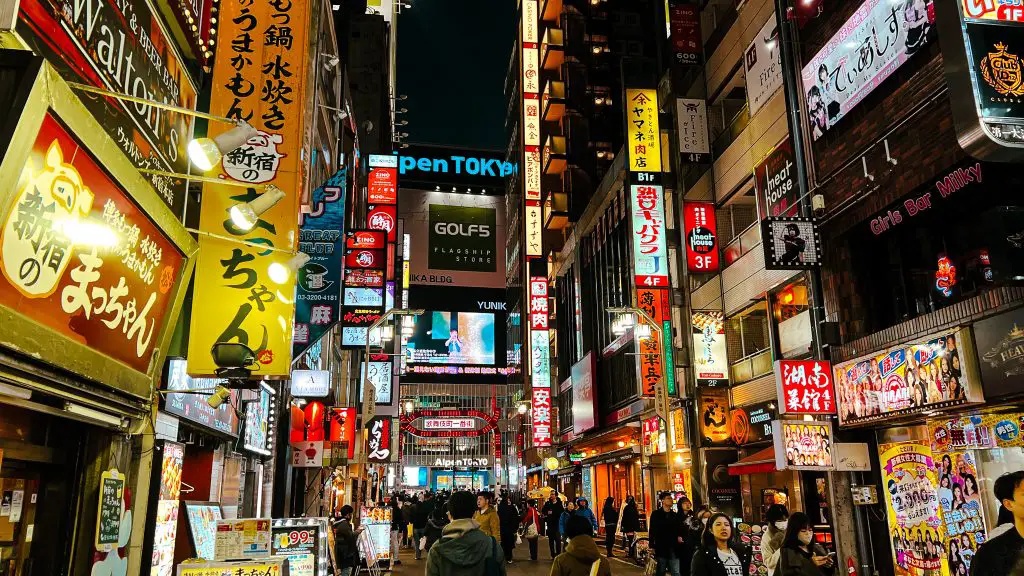
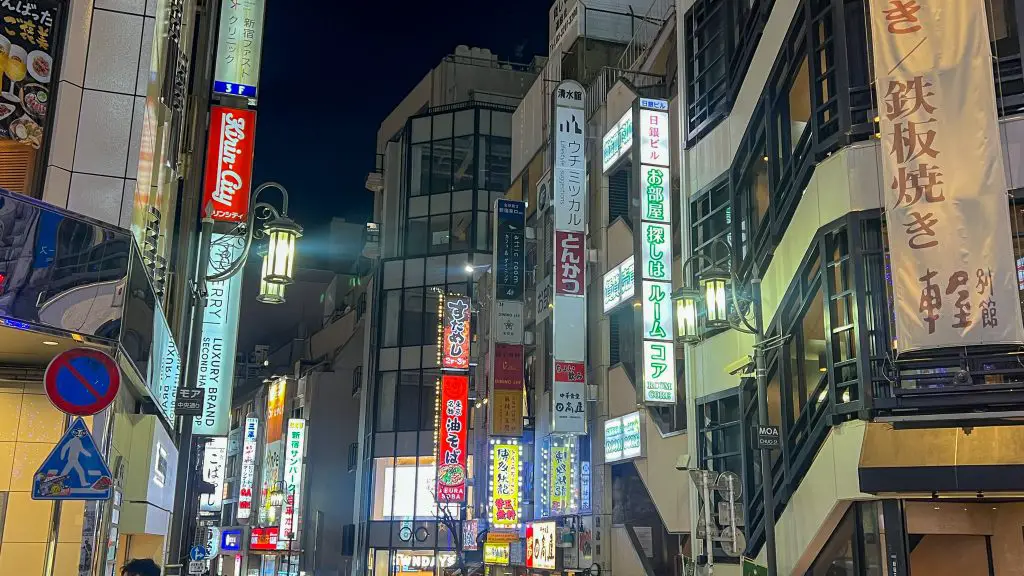
Shinjuku Station is the busiest train station in the world. There are lots of shopping malls in the area; you can see the 3D Cat billboard, and head over to Gaia for a drink.
Asakusa
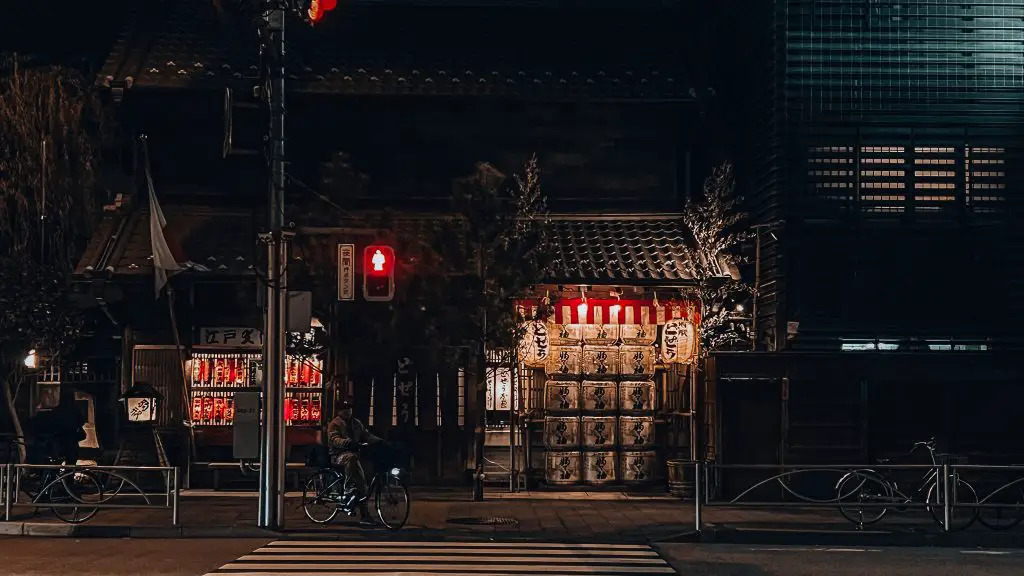
Asakusa is where you’ll find the Senso-ji temple, more traditional architecture, and just like everywhere, excellent food!
Shimokitazawa
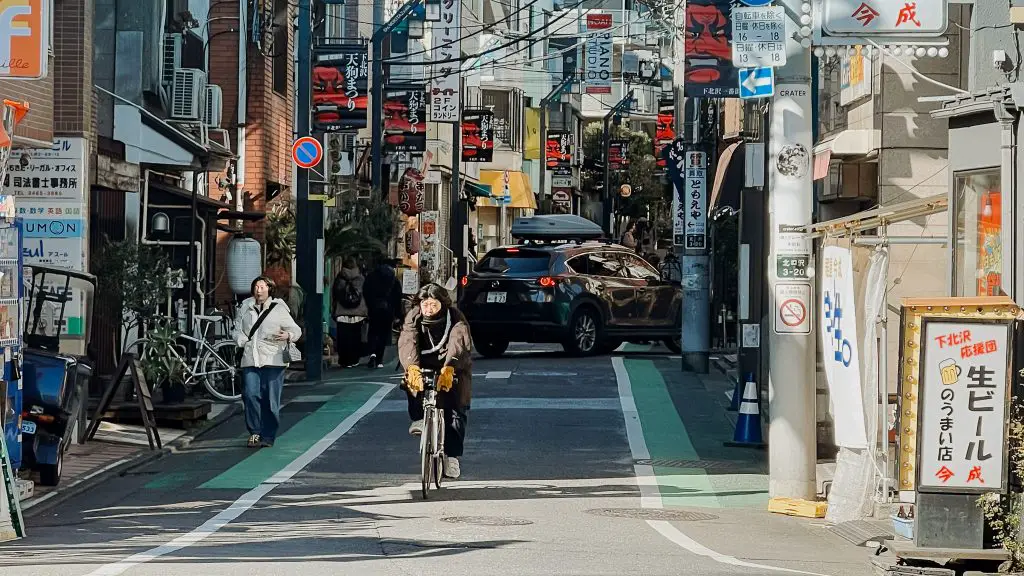
Shimokitazawa felt very much like the hip and creative part of town. You’ll see all kinds of fashion on the streets; there are so many thrift shops and great little cafes. It reminded me of the Haight-Ashbury neighborhood of San Francisco, except way cleaner.
Kuramae
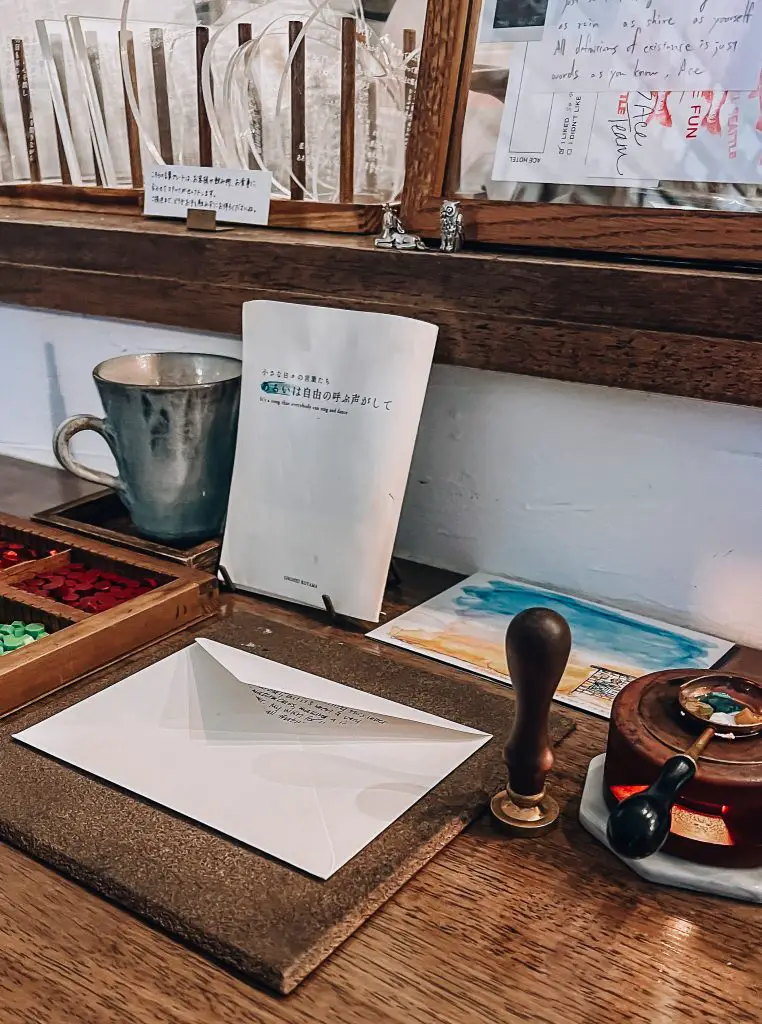
Kuramae was my favorite neighborhood that I spent time in. It is very quiet, very local, and has great home goods shops and cafes. I loved Futo Cafe, where you can go to write a letter to your future self. They will mail you your letter in a year. There was also a chai tea cafe/clothing store called Cobachi Chai that made the best chai latte I ever had.
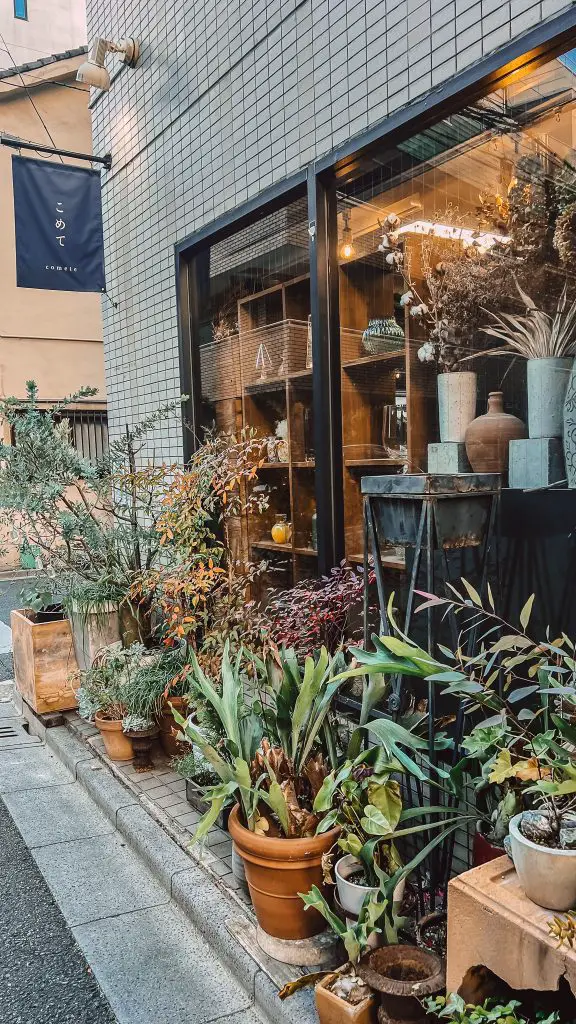
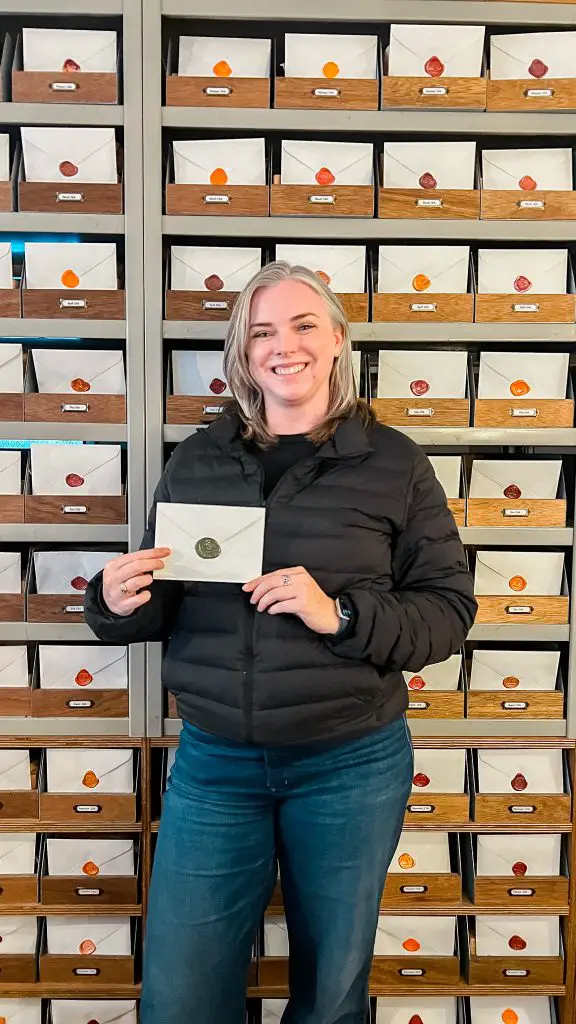
There is also a shop where you can make your own journal, choosing the cover, the paper, the binding etc. It’s called Kakimori and also has beautiful ink pens to use in your new journal!
Kuramae is between Asakusa and Akihabara, so I think it’s often skipped, but it was my absolute favorite place in Tokyo.
Treat Yourself to a Spa Treatment
Aside from drinking as much matcha as possible, I also wanted to get some beauty treatments in Tokyo. Ultimately, I ended up getting a facial and going to a head spa, so I didn’t do as much as I would’ve liked, but felt like it was a good introduction to Tokyo’s beauty culture.
Relax at a Head Spa
I’ve seen the head spa videos all over my social media, and I really wanted to try it. They have them in my neighborhood, but the price point ($200) is way out of my budget.
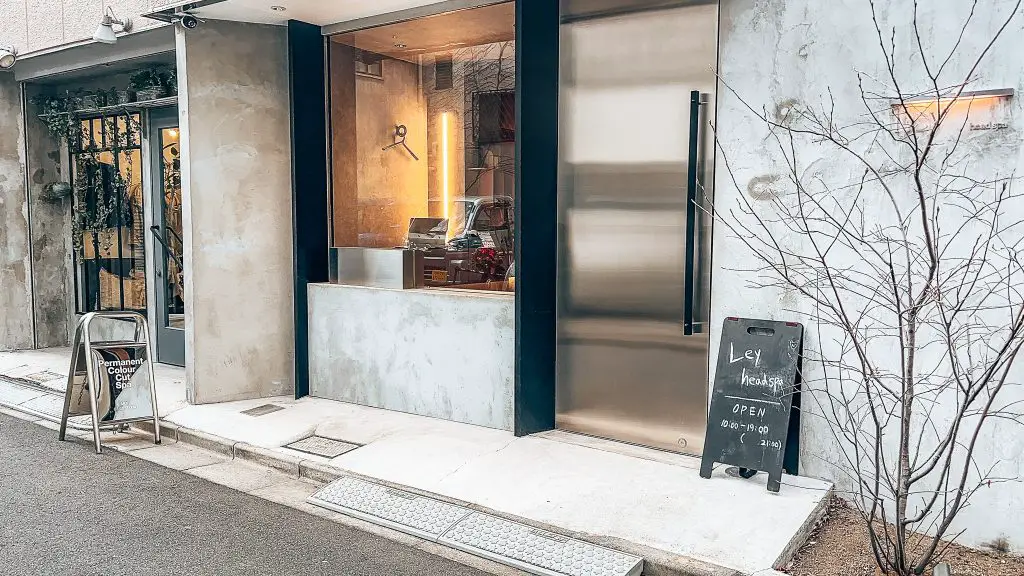
While searching Google Maps, I found a head spa near where I was staying in Kuramae called Ley Head Spa and was able to schedule an appointment with them over Instagram.
My service included a head scan, where seeing my dandruff up close was, well, gross. We then decided on the type of treatment I wanted, either an eye massage or a hair treatment. I chose the hair treatment because the eye massage included having water poured over my eyes, and I didn’t want water on my face.
We then moved into the treatment room, where for an hour my head and neck were massaged, my hair brushed and washed, and it was the most relaxing hour I’ve had in a while! The massage was amazing!
Afterward, she scanned my scalp again, and it was squeaky clean. I also bought small sizes of a shampoo and conditioner she recommended.
All of this totaled $80, including the shampoo and conditioner. So worth it!
Indulge in a Facial
I did some research to book a facial at an English-speaking salon. I’ve been struggling with acne for years now and I was really interested in the Japanese take on skin care, which is much more gentle than in the US.
I ultimately decided to book with Mocci Beauty to try their Japanese Glow Facial. After a consultation with the facialist, we started the facial, which included multiple masks, a gentle peel, and electrical stimulation on my face (which I couldn’t tolerate for long).
While it did not help my acne, which flared up while there, I was so relaxed during it, I fell asleep during one of the masks.
Soak in an Onsen
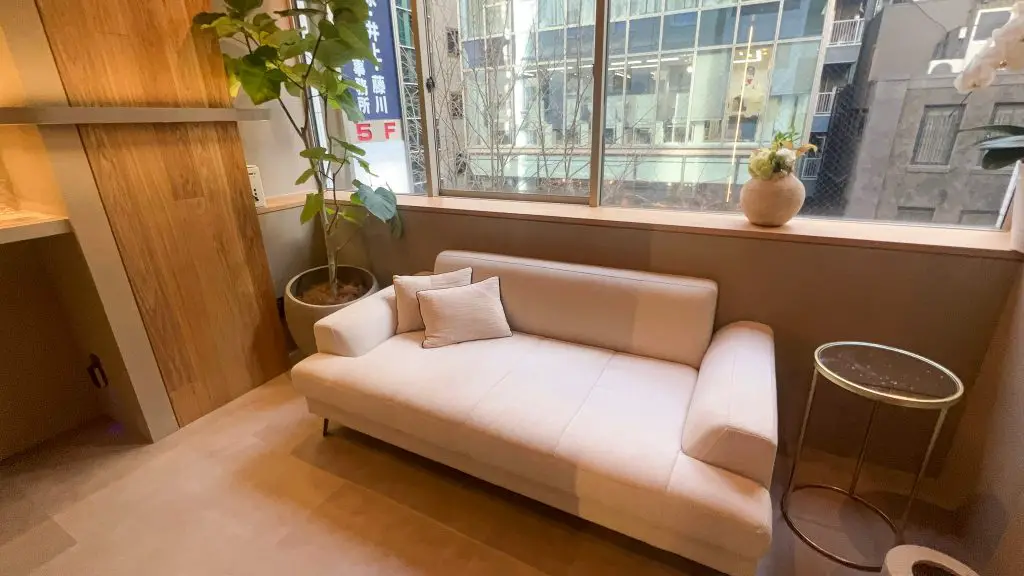
I really wanted to experience the onsen (hot springs) culture in Japan. As someone with tattoos, this required a bit of research and ultimately led me to booking a hotel with a tattoo-friendly rooftop onsen, Yuen Shinjuku.
Soaking in the onsen with a view of Shinjuku was the best way to end a day of 20,000-plus steps. The onsen was also open at 6:00 am, so I was able to soak before heading out for the day, which was perfect because my jet lag had me awake at 4:00 am!
The second hotel I stayed at also had an onsen, but they didn’t allow tattoos. As I’m sitting here writing this, I realize I didn’t ask if I could cover it up, because some onsens will allow those with tattoos to use them if the tattoo can be covered.
If you can, find a hotel with an onsen, you won’t regret it!
Unwind in One of Tokyo’s Parks
There are many parks in Tokyo that are perfect for a morning stroll away from the neon lights of Shinjuku and Shibuya.
Yoyogi Park is one of Tokyo’s largest parks with forested trails, ponds, and sprawling lawns. Stroll through it either before or after visiting Meiji Jingu Shrine.
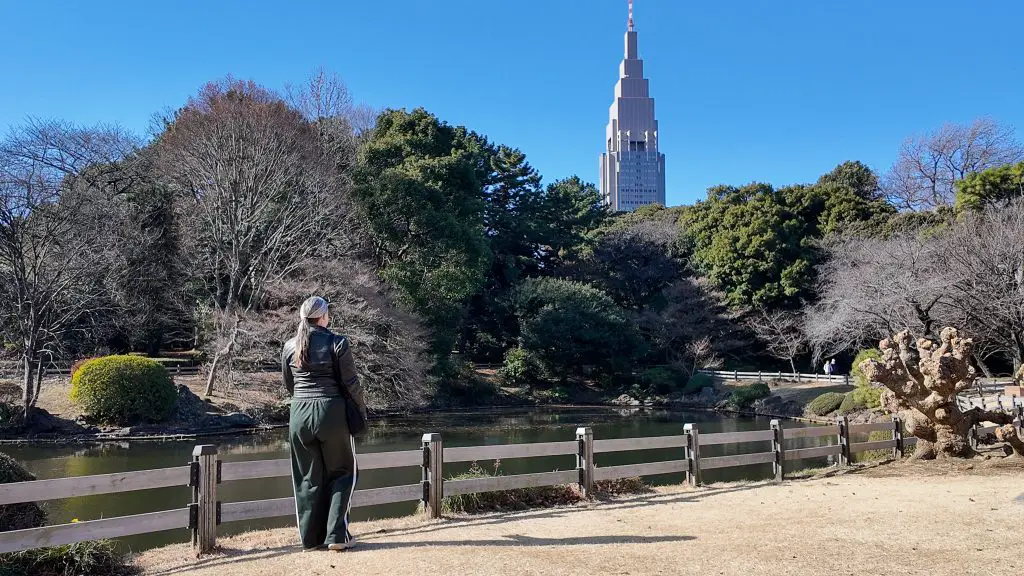
Shinjuku Gyoen National Garden is just a short walk from Shinjuku Station and reminded me of Central Park in New York City. I visited in winter, so most of the cherry trees had no blooms, but in spring, this is the best place to see cherry blossoms!
Since I went on a chilly winter morning, I stopped in the beautiful greenhouse to warm up a bit and see tropical greenery in bloom!
Find your Favorite Snack at 7-Eleven
A trip to Japan is not complete without at least one trip to the convenience store.
Convenience stores in Japan are entirely different from convenience stores in the US. They are a destination for quality food, snacks, drinks, and beauty, all at a super affordable price.
In Tokyo’s 7-Elevens (and Lawsons and Family Mart), they have great pre-made sandwiches like the egg sandwich, a variety of onigiri, and drinks for any ailment you may be facing.
They also carry the popular rice face mask and pain-relieving patches for your calves and feet, which you’ll need after walking all over Tokyo.
The best part about these convenience stores is that they are everywhere. So whenever you need a quick bite, but don’t want to go to a restaurant, or you need a refreshing drink, or to throw away some trash, the convenience stores will be there for you.
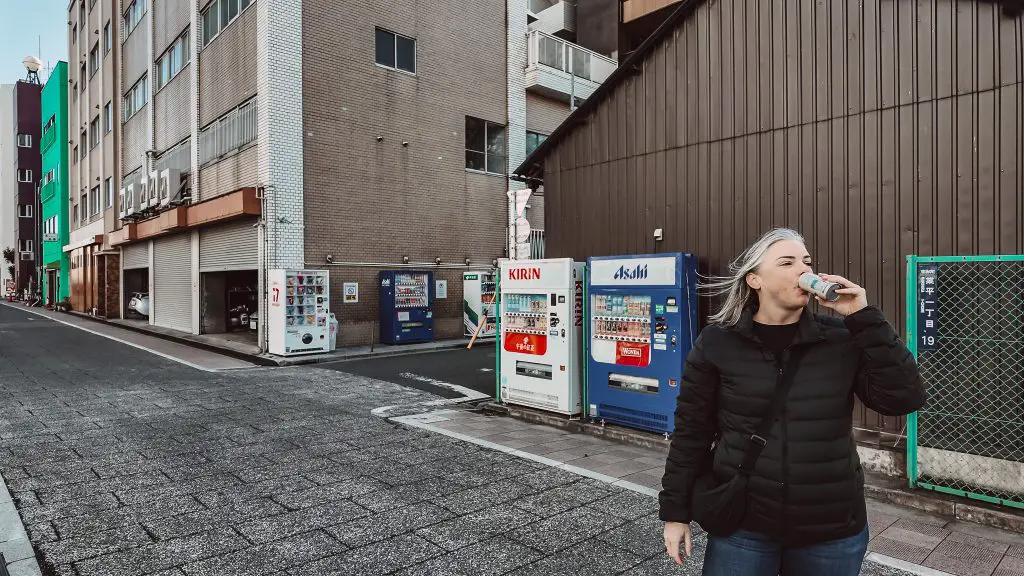
Don’t forget to try the drinks from a vending machine as well! They’re really good!
Take a Day Trip from Tokyo
Originally, I’d planned to do two day trips while in Tokyo, one to Kamakura and the other to Kawagoe. I ended up only doing a one-day trip to Kamakura, and I absolutely loved it. And I’m sure I’ll be going back to Tokyo, so Kawagoe will be on the next itinerary.
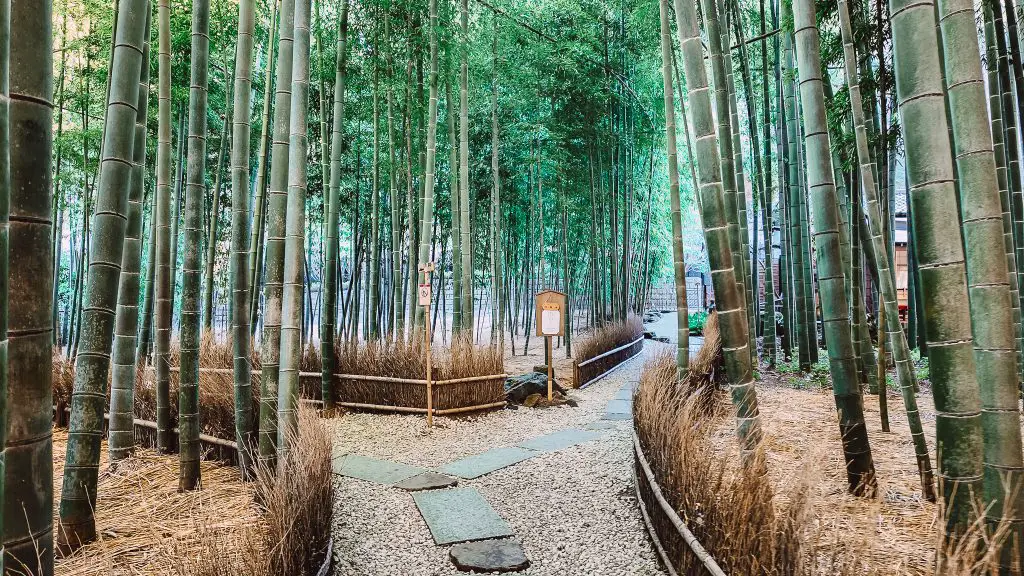
I adored Kamakura. It’s a busy seaside town with great vintage shopping, a temple with a small bamboo forest, and perhaps what it’s most well known for, the Great Buddha.
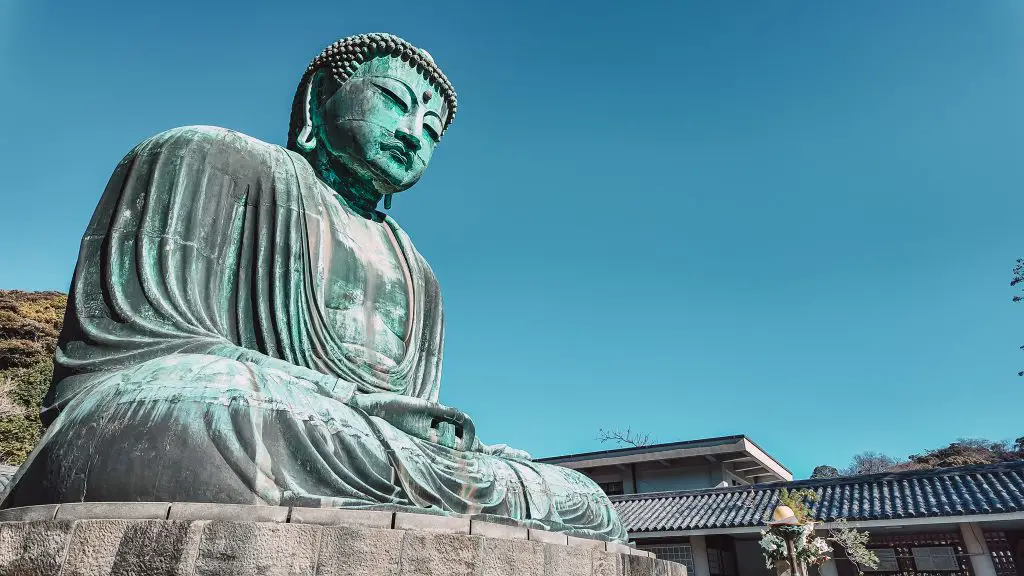
The main shopping street, Komachi-dori, has lots of places to eat, knife stores, and other boutiques. But I enjoyed the boutiques and thrift stores along Yuigahama as I walked back from the beach.
The day I visited was incredibly windy, so I barely spent any time at the beach, and didn’t check to see if I could see Mount Fuji. Adding this to my list of reasons to go back to Tokyo!
Kamakura is about an hour train ride from Tokyo and really easy to do for a day trip. Although, to be honest, I wish I spent a night there. I really enjoyed the chill energy of the town.
3 Days in Tokyo Itinerary
I spent 7 full days in Tokyo and still feel like I didn’t see it all. In fact, I didn’t. However, I know that most people don’t have the time to dedicate a full week to Tokyo alone. Most people split up their trips to Japan to include Kyoto and Osaka, at the very least.
After spending a week in Tokyo, I think three days in Tokyo is the right amount to see the top sites and a few hidden gems before you head off on the rest of your Japan itinerary.
For a short stay in Tokyo, pick a hotel near a train station so you can easily get around.
Day 1: Shinjuku, Shibuya, Harakujuku
Shinjuku, Shibuya, and Harajuku are all nearby making it easy to see them all in one day.
Morning: Meiji Jingu + Harajuku
Start your day at Meiji Jingu shrine, then check out the shops in Harajuku on Takeshita Street and Cat Street.
Lunch: Have lunch at Harajuku Gyoza or try the fluffy viral pancakes at Happy Pancake.
Afternoon: Shibuya Crossing + Shopping
After lunch, head over to Shibuya to be one of the thousands people to cross the Shibuya Scramble. See the Hachiko statue as well. Then watch the people cross from one of the buildings surrounding Shibuya!
Then do some tax free shopping at The Loft, Onitsuka Tiger, Tower Records, or anywhere that interests you!
Night: Shinjuku Nightlife
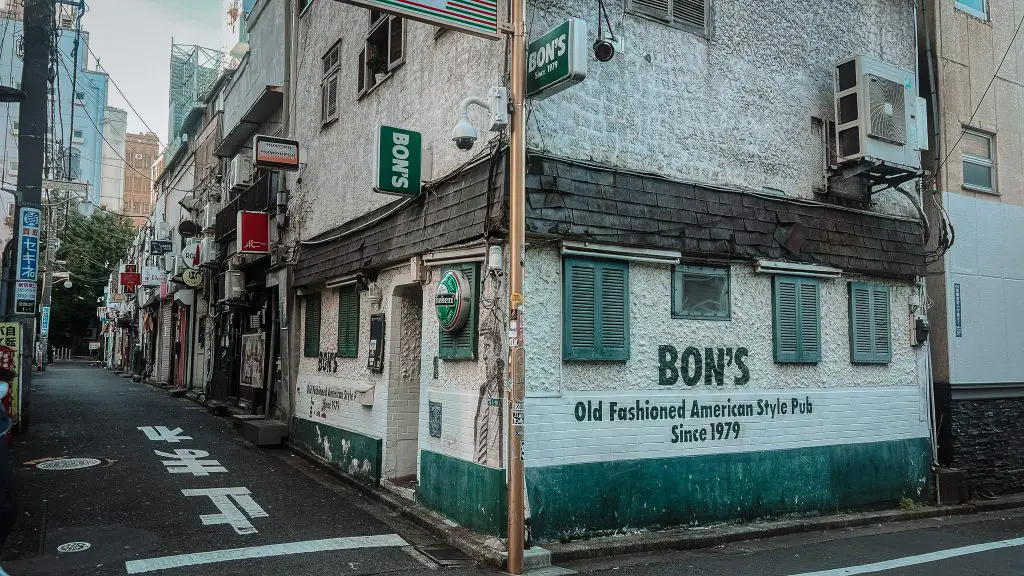
Hop on the train to Shinjuku and see the 3D cat billboard before having dinner at Ichiran. Have a drink at a tiny bar in Golden Gai or simply walk around seeing the lights and bustle of this area.
Day 2: Asakusa + Kuramae
This was my favorite area during my time in Tokyo.
Morning: River Walk + Skytree
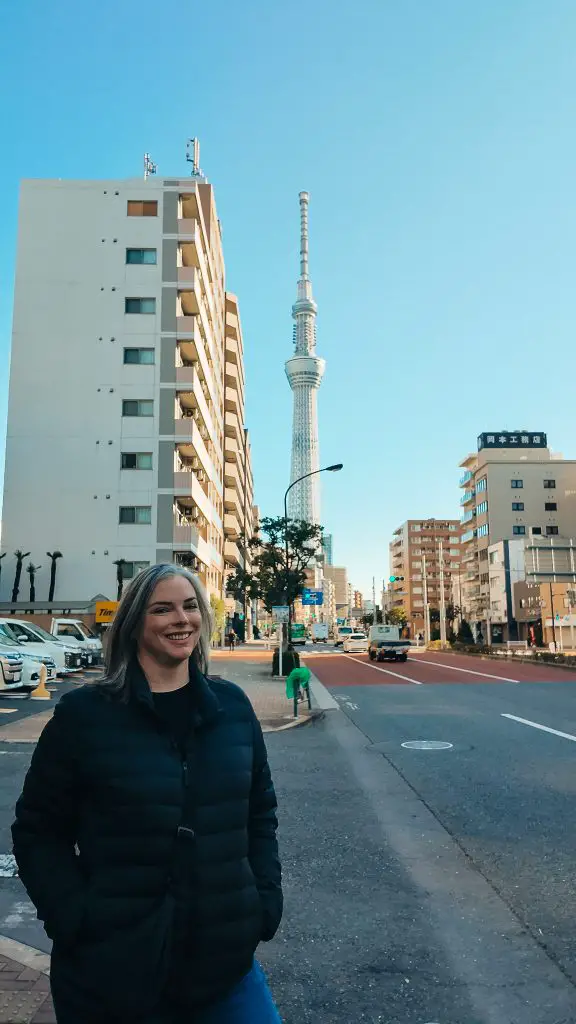
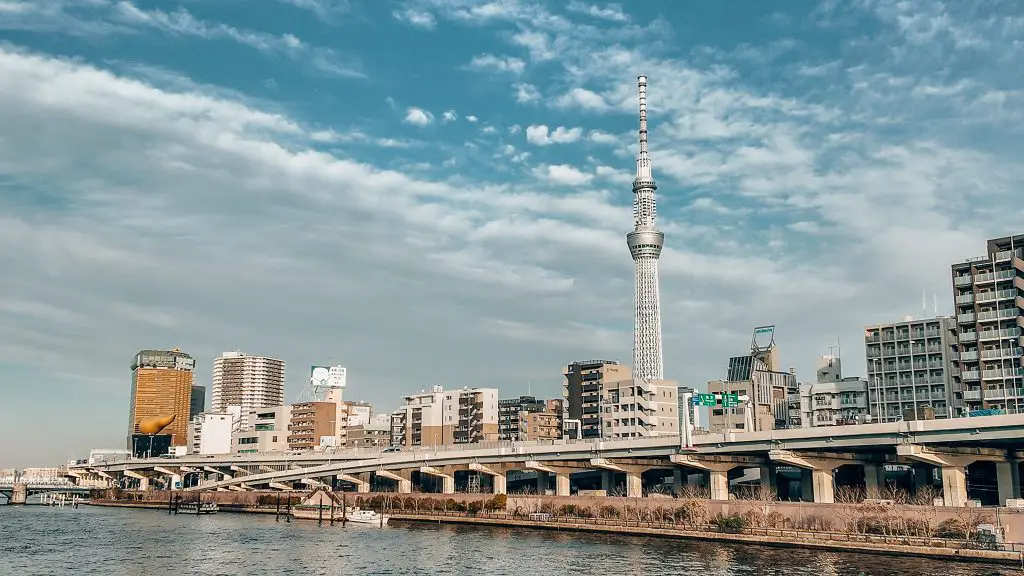
Go for a walk along the Sumida River towards Tokyo Skytree. If you want, you can go up to the top of the Skytree for panoramic views of Tokyo.
Mid Morning: Senso-ji Temple
After, walk across the river to Asakusa to visit Senso-ji Temple. Have lunch at Asakusa Uana for great eel! If you want, the Don Quijote in Asakusa is a good place to get souvenirs, skin care, and treats!
If you need a matcha, there is a Hatoya nearby or for a less busy (but equally good option) try Chotto Matcha.
Lunch: Asakusa Uana for unagi
Afternoon: Kuramae
Walk to Kuramae, my favorite neighborhood in Tokyo. Stop at Kakimori to make your own journal, then head to Futo Cafe to write a letter to your future self. They will mail you the letter in a year! Such a great way to spend an afternoon!
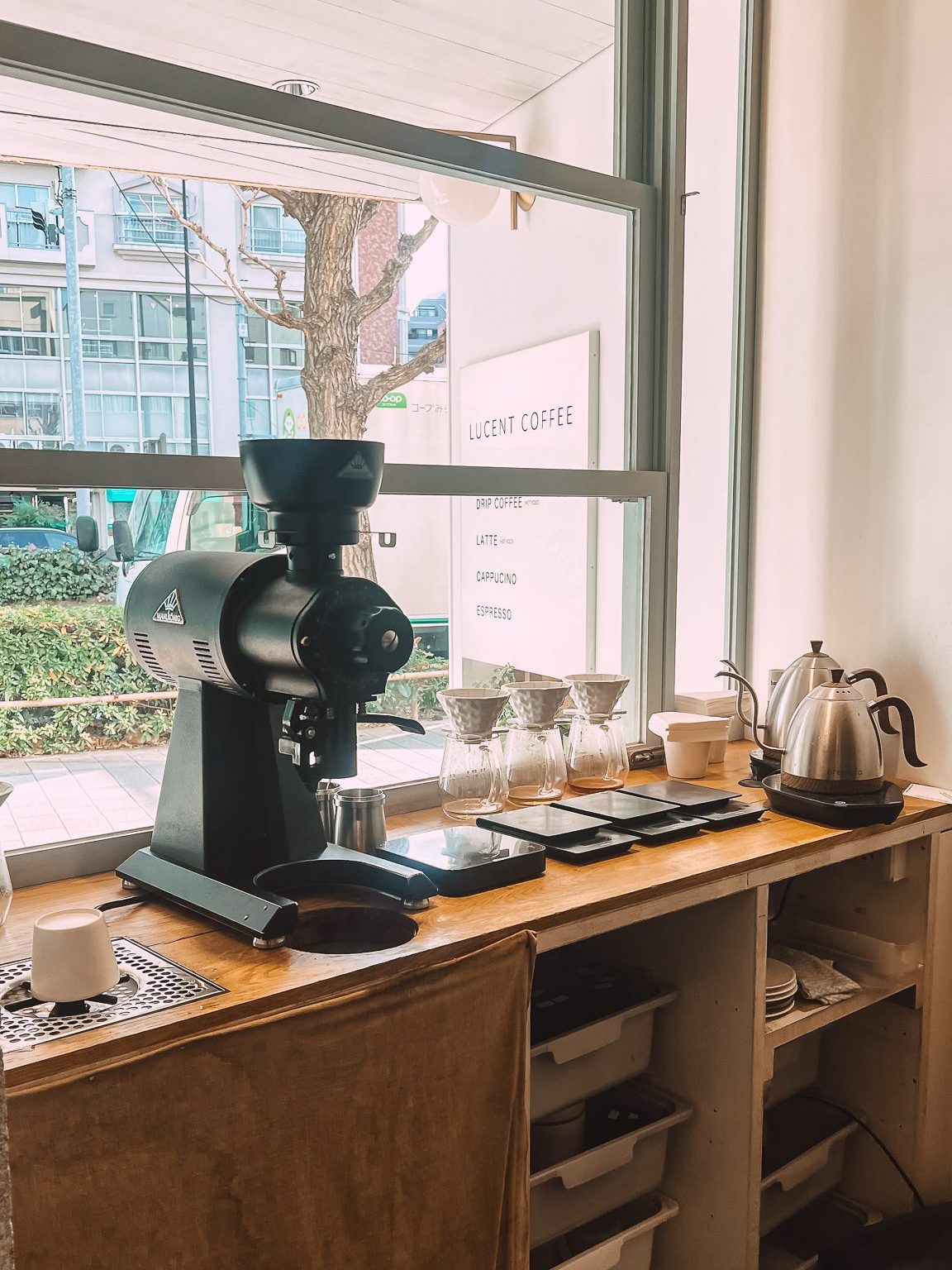
There are also plenty of cafes in the neighborhood to check out like Lucent, Cobachi Chai, and Coffee Wrights.
Night: Dinner & Drinks in Kuramae
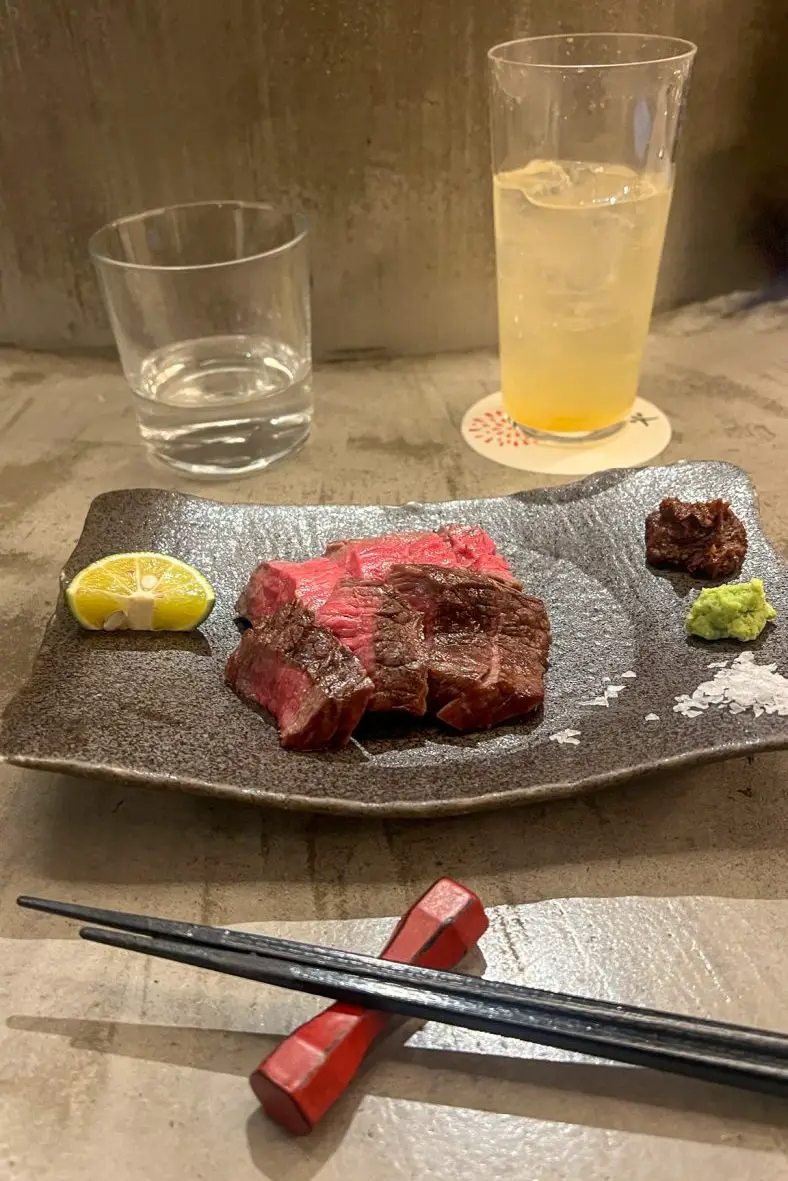
End your day with a cozy dinner at Bon Hanabi. The night I ate there, I got sashimi, wagyu beef, fried chicken, and mushrooms for a total of $50! The food was delicious and the service was great!
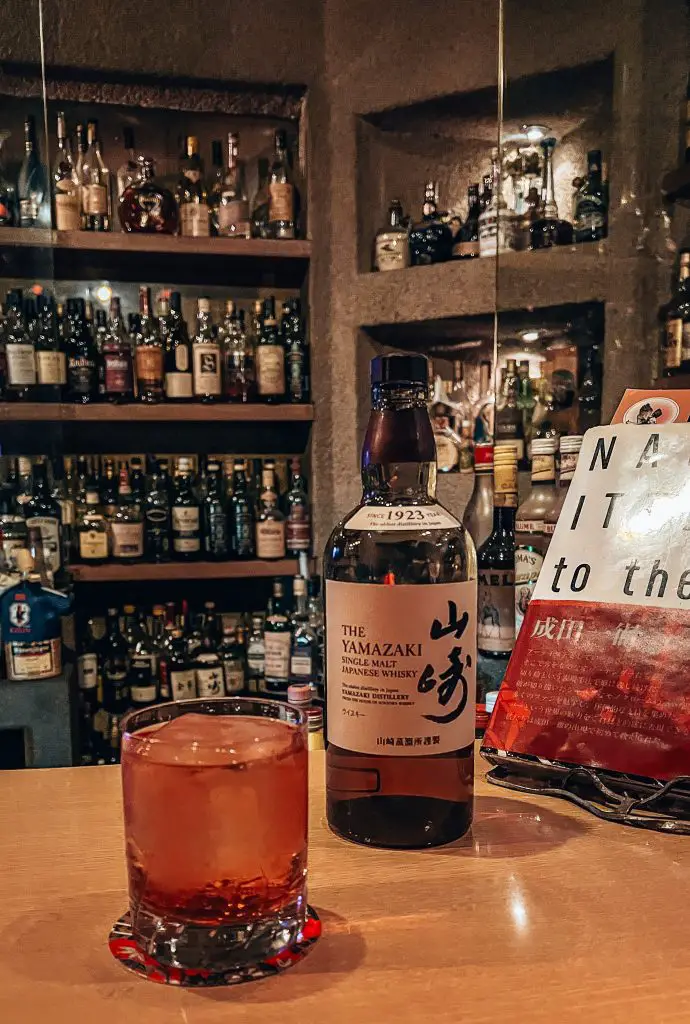
After dinner, walk back towards Senso-ji for drinks at dr a whiskey bar with no menu. The kind bartender will simply make you a drink of his choice or whatever you ask for!
Finish back at Senso-ji temple to see it at night with far fewer crowds and to see Tokyo Sky Tree lit up!
Day 3: Tsukiji Fish Market + Kuramae
Morning: Tsukiji Fish Market
In the morning, eat your way through the Tsukiji Fish Market. I did a tour (book it here), but you can simply walk through the bustling stalls and eat at any place that looks good! Bring plenty of cash as most places are cash only.
Afternoon: Kamakura
Since you’re plenty full, hop on the train to Kamakura for the rest of the day!
How to Get to Tokyo
Tokyo is served by two major international airports, Narita and Haneda. Haneda is about 30 minutes from downtown Tokyo while Narita is about an hour. Haneda is better to fly into, but both airports have plenty of options for getting into central Tokyo.
From Haneda to Tokyo
Tokyo Monorail
Follow the signs in the Haneda airport for the Tokyo Monorail. Get off at Hamamatsucho Station to transfer to the JR lines. You’ll be in the city in about 30 minutes! You can use your Suica card for this service!
Keikyu Line
Alternatively, take the Keikyu Line to Shinagawa then transfer to the JR Line to get where you need to go! If you’re staying near Asakusa, get off at Tosei Asakusa station.
From Narita to Tokyo
Keisei Skyliner
The Keisei Skyliner is a high-speed train that will get you to Ueno or Asakusa train stations in about an hour. It’s a comfortable, easy, and affordable way to get into Tokyo, especially if you’re staying near Asakusa. I took this from Tokyo to Narita, and it was a super easy ride.
You need to purchase a specific resin ticket for the Keisei Skyliner.
Narita Express
The Narita Express is a direct train to Tokyo Station, Shinjuku, Shibuya, Shinagawa, and Yokohama which will allow you to connect to a JR line. This train may take longer than the Keisei Skyliner depending on where you’re getting off.
Both of these train options have luggage storage and comfortable seating for an enjoyable journey after a long international flight!
Airport Limousine
The airport limousine is a bus service that runs from Haneda and Narita airport. This is a good service to use if you have a lot of luggage and are staying near a main train station in Tokyo. The airport limousine service also stops at major hotels throughout Tokyo so if you’re staying in one of these hotels, it may be the best option for you!
Take a Taxi
You can, of course, take a taxi from either Haneda Airport or Narita Airport if you want door-to-door service, are splitting the fare with someone, or have a lot of luggage. It will be more expensive from Narita simply due to the distance to Tokyo.
Luggage Transfer Service
I also recommend using the luggage transfer service if you’ll be connecting to the JR line (especially if you have larger luggage and will be transiting during rush hour). The Yamato luggage transfer will drop your luggage to your hotel later in the day so you can just head out and start exploring! This is one of the best things I did to make traveling around easier!
How to Get Around Tokyo, Japan
Even though there are many options for getting around Tokyo, it’s incredibly simple because the public transportation is efficient and can get you everywhere!
Trains and Buses for Tokyo
The easiest way to get around Tokyo is by using ground transportation! Trains and buses run on time, are clean, safe, and super efficient. You can use your Suica card to enter and exit both so you don’t need to deal with cash.
The JR Yamanote line runs in a circle around Tokyo and includes stops at Harajuku, Shinjuku, Shibuya, Ikebukuro, Ueno, Tokyo, and Shinagawa (as well as many places in between). This line will take you to some of Tokyo’s most popular attractions.
Google Maps works incredibly well in Tokyo so you can easily figure out the next train or bus to get where you need to go using the app.
Walking around Tokyo
Even if you take a train or bus, you’ll still do a lot of walking in Tokyo. Tokyo is incredibly pedestrian friendly and a great way to see the city. You’ll be able to pop into any restaurant that looks good, any store that piques your interest, and simply enjoy the atmosphere of the city.
Make sure you wear comfortable walking shoes!
Taxi/Uber
I certainly used Uber a few times in the city. I used it when I moved hotels, and at the end of the day, when I was so far from my hotel, and I couldn’t walk another step! They’re safe and not super expensive!
What to Pack for Tokyo, Japan
Each season in Tokyo will bring different clothing needs. The summer months are hot and humid, whereas the winters are cold and dry. However, there are some essentials for Tokyo that you will need no matter the time of the year you visit!
Here are the 7 essentials to pack for Tokyo
- Comfortable Walking Shoes: This is the number one thing to have on your Tokyo packing list. As I’ve mentioned a few times throughout this post, you will walk thousands upon thousands of steps daily, you need your feet to be as comfortable as possible. Whether you’re wearing sneakers or sandals, make sure they’re well broken in and supportive.
- A Day Bag: Choose a small backpack or a crossbody bag that can fit your daily essentials like your camera, wallet, portable charger, and have space for any purchases you may make.
- Comfortable Clothing: Tokyo style is varied so you can wear whatever you want and get away with it. Just make sure you’re comfortable and consider layers especially in the winter and the summer. Tokyo has plenty of shopping so if you need something you can get it there!
- Electronics: Figure out what electronics you’re bringing like a camera, phone, laptop or iPad. Then make sure you have all of the necessary charging cords and cables. Also don’t forget a portable charger for those days when you’re out all day long (which is every day).
- Small Towel: Pack a small hand towel that you can carry with you during the day. While the bathrooms are clean, many don’t have towels to dry your hands. I noticed women carried small towels to dry their hands after washing up.
- Small Coin Purse: Cash is still king in Tokyo, so carry a small wallet where you can keep the coins you’ll get. You also need coins to make donations at temples
- Travel Adapter: Tokyo uses Type A plugs, so make sure you use a universal travel adapter like this one.
Where to Stay in Tokyo, Japan
Perhaps the most overwhelming part of planning my trip to Tokyo was deciding what neighborhood to stay in and which hotel. Many people recommended Shibuya and Shinjuku, but I was also intrigued by the Asakusa area. In regards to the type of accommodations, they have everything from capsule hotels and love hotels to traditional hotels and hostels.
Yuen Shinjuku
I decided to heed the recommendations of friends and stay in Shinjuku for the first 3 nights. I saw a great-looking hotel on TikTok, and while it was too expensive for my entire stay, I decided to spend a little extra for the ryokan experience and rooftop onsen. You can pay a little extra for a traditional Japanese breakfast which is useful as many places don’t open until 10:00 am.
I highly recommend Yuen Shinjuku for a few nights of your stay. Although it’s about a 10-15 minute walk from the train station.
Check rates and availability here
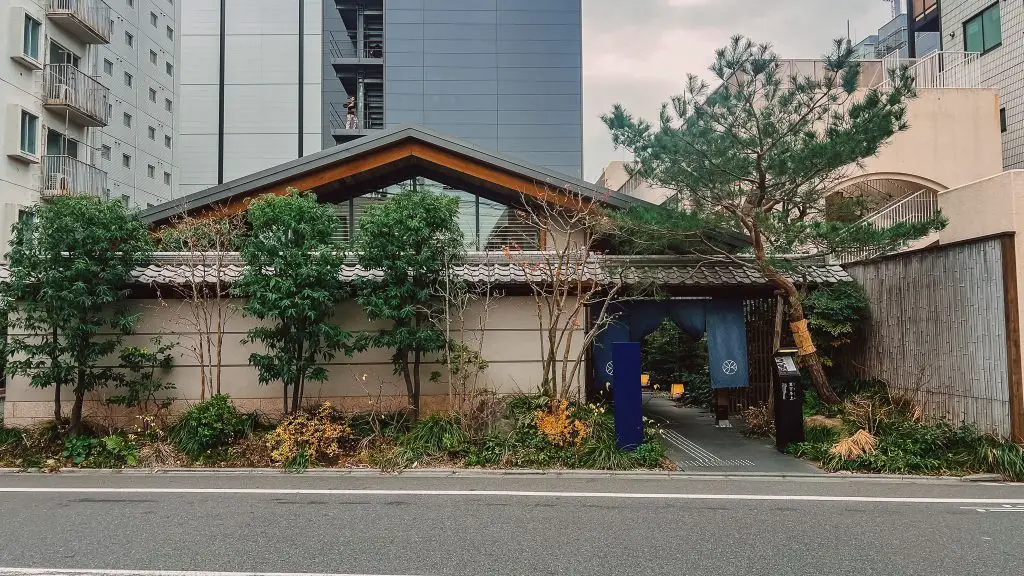
Tosei Hotel Cocone Asakusa Kuramae
For the remainder of the trip, I chose to stay in Asakusa at a hotel I found for a great rate on booking.com.
I stayed at Tosei Hotel Cocone Asakusa Kurame and while the room wasn’t as nice, it had everything I needed, including free breakfast! It was also much closer to a train station making it much easier to get out and back. There is an onsen here as well, but it is not tattoo-friendly.
Check rates and availability here.
Tokyo Accommodation Tips
There are literally thousands of places to stay in Tokyo for a variety of budget types and travel styles. I recommend the following criteria to help you narrow down your choices.
- 5 minute walk from a train station to make sightseeing easier, especially at the end of the day!
- Breakfast available, whether it’s included or not. As most places don’t open before 10:00 am it’s nice to have a convenient breakfast option to start the day.
- Luggage storage should be included in most hotels, but double check! Many flights back to the US are around 4:00 pm, so you’ll want to store your luggage for your last morning in Tokyo.
- Don’t worry about the room size. Guest rooms will be smaller than you expect, especially if you’re used to hotel rooms in the United States. Get cozy, you’ll be out and about most of the time anyway!
Whether it’s your first time traveling to Tokyo, or your hundredth like some of my coworkers, I hope you found this Tokyo travel guide helpful! Tokyo is a great place to travel solo and I hope that you found some unique experiences to have there from this blog post!
Like this post? Pin for later